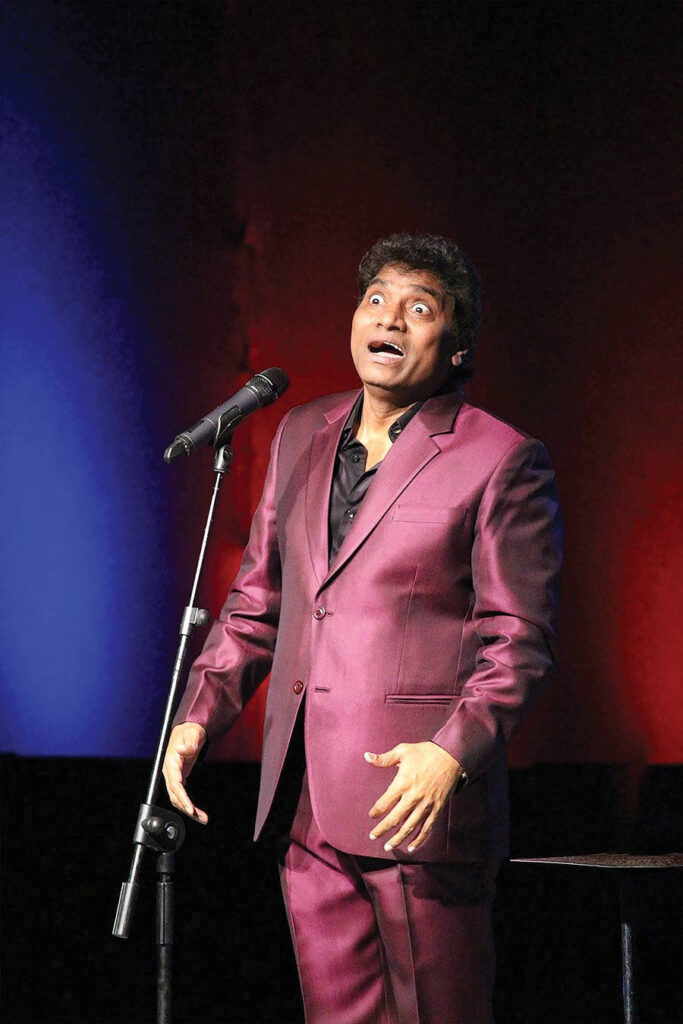
A pioneer of stand-up comedy in India, Lever brought mimicry, physical comedy and razor-sharp timing into the mainstream long before the format was fashionable. With over three hundred films to his credit, he became an indispensable presence in 1990s Hindi cinema, often elevating supporting roles into show-stealing performances. Warm, instinctive and endlessly human, Johnny Lever remains a true original. Excerpts from an engaging interview with the inspiring actor.
How did you start your career as a comedian?
It all began with dancing. I loved to dance as a child. There were record dance programmes back then and after watching shows curated by Junior Mehmood, I felt inspired enough to participate in them. Later, around the age of 17–18, I began doing mimicry. My father and uncle worked at Hindustan Lever and I too joined the company when I turned 18. My first salary was Rs 600, while my father was earning Rs 1,500.
I started getting work in orchestras. For each show, I would earn around Rs 150–200. One day, I got an offer to do an advertisement,“kachua jalao, machchar bhagao”, directed by Shekhar Kapur. I performed it in the voices of Om Prakashji and Raaj Kumarji, and I was paid Rs 25,000 for it. At the time, it was a huge amount. I told my mother that my father had received Rs 35,000 as his retirement money after working his entire life, while I had brought home Rs 25,000 in a single day. My father would often say, “What does he even do, after all?” After that day, he never said anything again. Soon after, I quit Hindustan Lever and began working in orchestras full time, where I performed stand-up comedy. I joined Kalyanji–Anandji’s orchestra and my first tour with them was in England in 1979. Through them, I started getting film offers. At the time, people mostly listened to cassettes, and my mimicry cassette, Hansi Ke Hungame, became popular worldwide. Filmmakers began asking me to do mimicry in films. I appeared in films like Tezaab (1988), Jalwa (1987), Love 86 (1986), and Narsimha (1991). I became widely known after Jalwa. Director N Chandra taught me how to act. I began to understand the craft, watching films of Johnny Walker, Kishore Kumar and Mehmood bhai. I was also a great admirer of Charlie Chaplin and watched his films closely. Gradually, people began to say that this boy could do more than just mimicry.
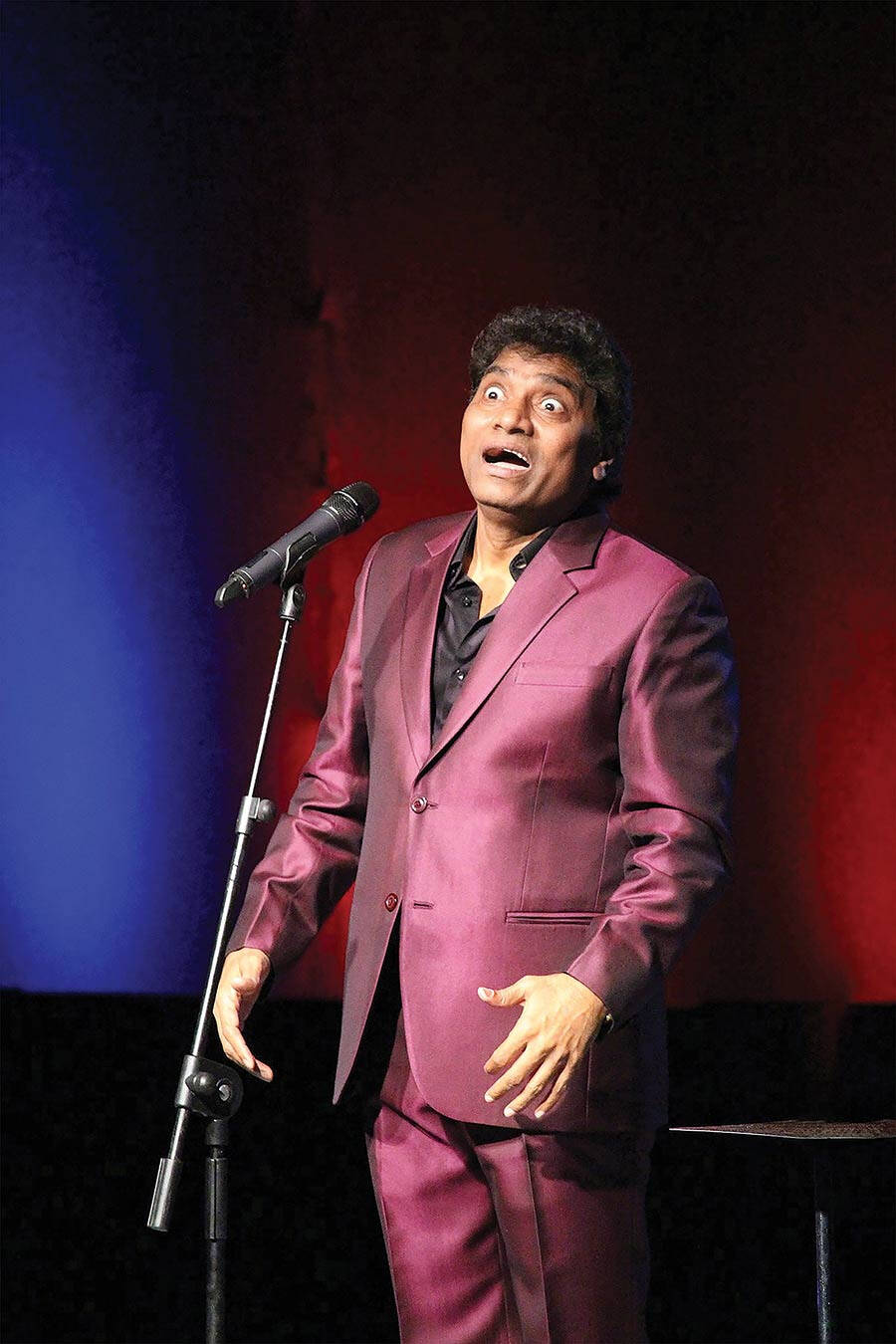
Baazigar is said to be the turning point of your career.
Whatever humour you see in the film was improvised on the spot. Even while dubbing, I didn’t have written dialogues. That film made me famous overnight. After 1992, I never looked back. There was hardly a film being made without me being cast. Until the year 2000, it was an incredible journey. I would sometimes shoot for five films in a single day. The same was true for Govinda as well. We worked like machines for 14 to 15 hours a day. Once the work was done, we would sleep on the set itself, because a few hours later we had to report to yet another set. At times, this routine went on for so long that when I finally reached home, my children didn’t recognise me.
After staying at the peak for nearly ten years, everything changed after 2000 and the work suddenly dried up. The fall was abrupt. This phase lasted almost 13 years, during which I did barely four or five films. Despite the difficult period, I neither fell into depression nor reduced my fees. I didn’t compromise on money because I didn’t want to belittle myself. My comeback happened in 2015, with All The Best and the Golmaal films.
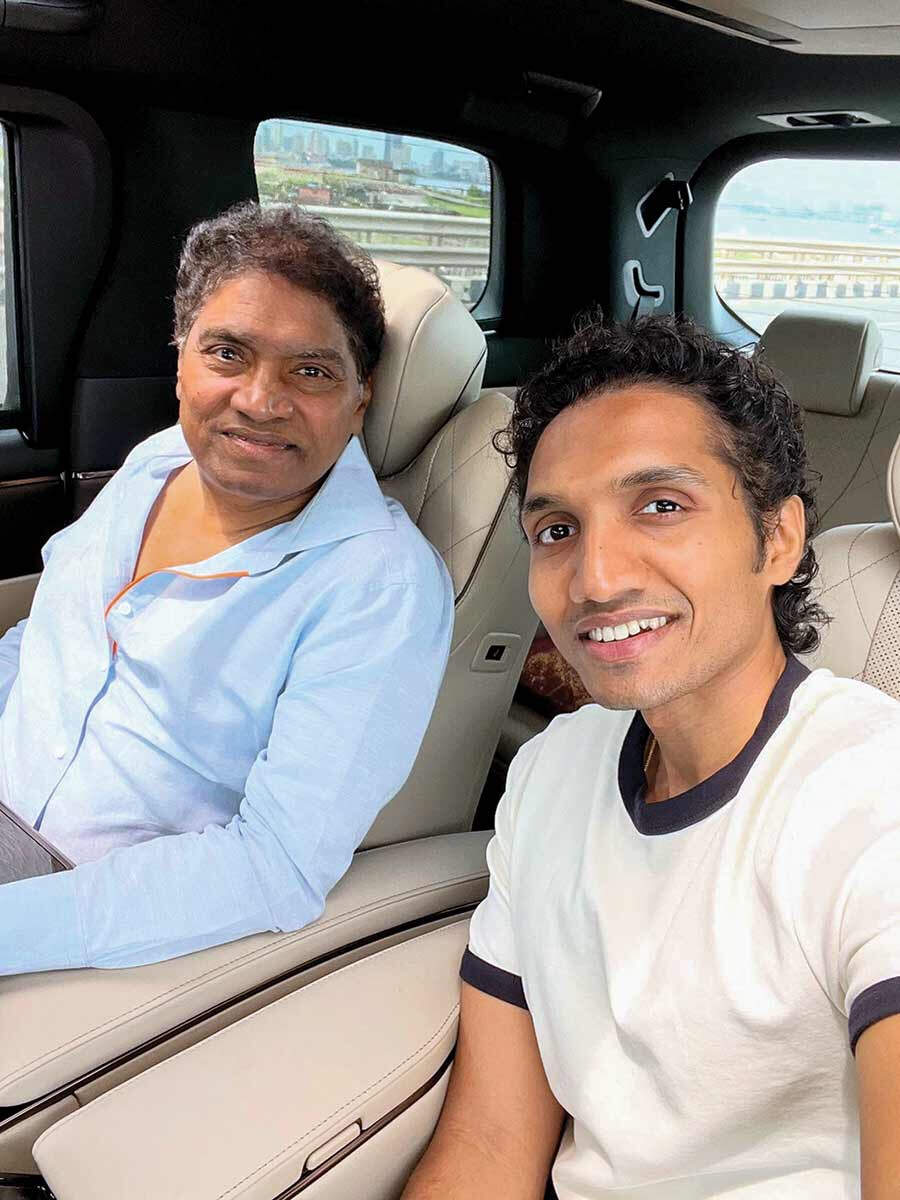
Negativity must have seeped in during that period?
Not at all. I remained positive and never fell into depression. When I was doing well, I used to drink a lot, but I stopped after a few years. When the downturn came, I didn’t start drinking again. I did fewer films but read extensively. I read Manto, among others. In fact, I read so much that I developed a neck problem. During those days, I also watched a lot of Marathi theatre.
He was only ten years old then. He developed a tumour in his neck. The doctors said it would be difficult to remove the lump and that if a vein were cut, he could be paralysed. We took him to the US, where he was cured. Professionally, I was going through a downturn at the time, but I travelled the world with my children. I did a world tour and spent time with them. Jesse recovered, and that phase taught me that anything can happen in life. My wife supported me immensely. Without her, I was nothing. She took care not just of me, but of the entire family, as we lived in a joint family. I never had to worry about my family at any point.
What were your learnings during this time?
Yes, that is true. Many actors didn’t arrive on time but I was always very punctual. Even if the main actor or hero came in at noon, I would still report on time for the 9 o’clock shift. The actors who didn’t respect time back then are sitting at home today. Amitabh Bachchan always reached on time. The same was true of Pran saab. I have done many films with him. There was a phase when he was shooting two films simultaneously: Prakash Mehra’s Jaadugar (1989) and Ketan Desai’s Toofan (1989). Toofan was being shot in town, while Jaadugar was shot in Chandivali. Amitji would arrive at the second set only after finishing work on the first. Pran saab, however, would come on time and sit in full make-up, wearing his beard. He would keep it on from morning till evening. Once I asked him, “Amitji will only come in the evening, so why are you in get-up since morning?” He replied, “I was called at 9 in the morning, so I will be ready with my make-up. This is my work.” He never complained. Who does that today?
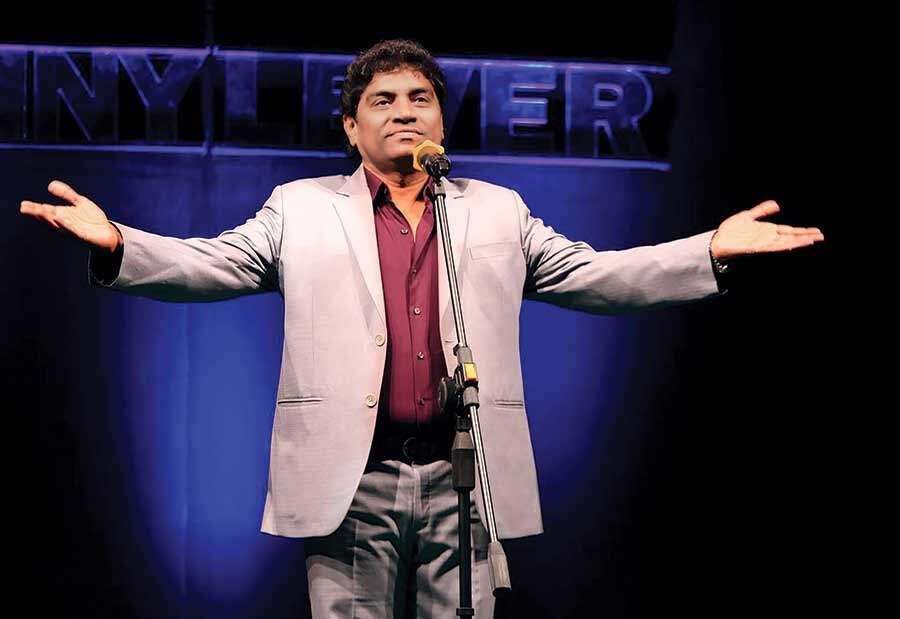
What difference do you find between actors of yesteryears and those of today?
Has it ever happened that you were feeling sad and still had to enact a comedy scene?
This has happened many times. Once, I was shooting for a film when my sister passed away. On another occasion, my father developed gangrene and the doctors said his leg would have to be amputated. I loved my father deeply, he was my hero. At that time, I was shooting for Baadshah but I did not leave the set. I gave the shot with a smile on my face. Shah Rukh Khan bhai and Abbas–Mustan supported me immensely. We shared a great understanding on that set.
Who are your friends in the industry?
When I shifted to this house, Juhi Chawla was my neighbour and would visit me quite often. Sridevi and Tabu lived in the adjacent building. Tabu is like my younger sister. I did Love 86 with her sister Farah, and at the time Tabu was still in school. She would accompany Farah to the shoots in Madh Island. Even today, she sends me biryani and other food on Eid. I also share a close relationship with Farah Khan.
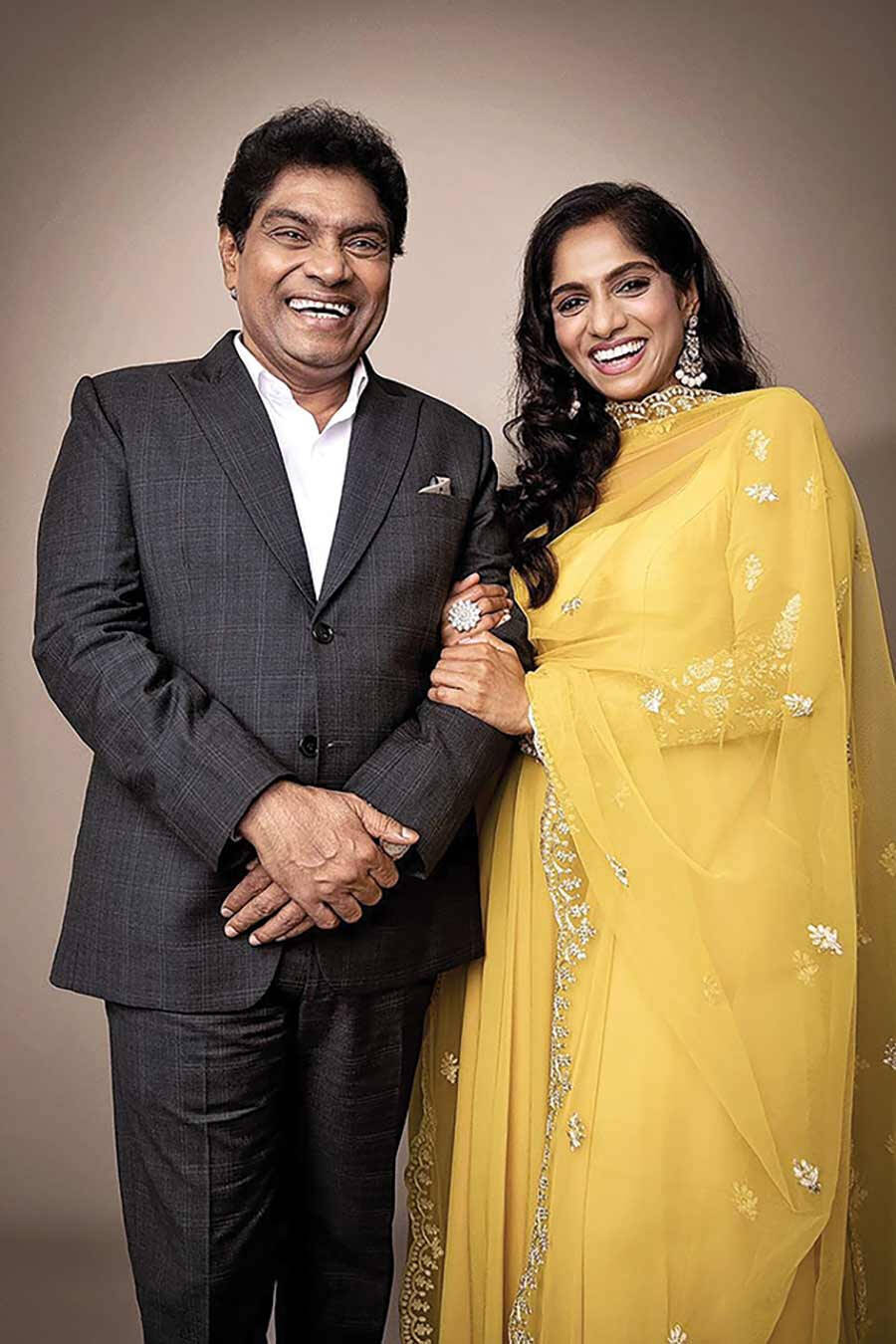
 Your daughter Jamie is also quite talented.