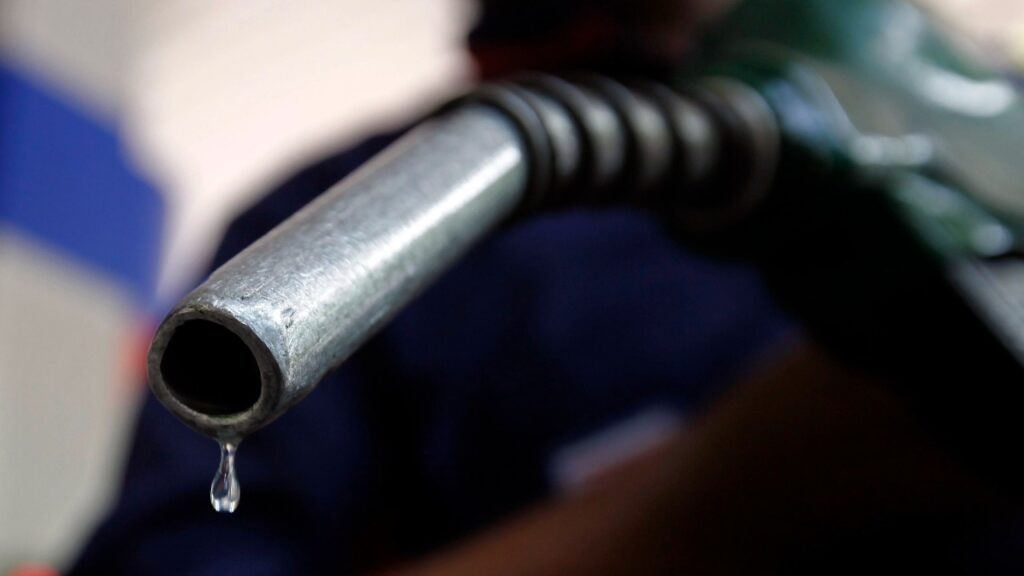
India is working to ensure global volatility in energy markets does not translate into higher fuel costs for Indian consumers. Petrol and diesel prices will not increase even as tensions in the Middle East disrupt global supply routes, government sources told India Today, adding all possible steps are being taken to cushion consumers from fluctuations in global crude oil and LPG prices. The Centre is also coordinating closely with oil suppliers and monitoring developments on a daily basis.
LPG PRICES LINKED TO GLOBAL BENCHMARK
Officials said LPG prices in India are linked to the Saudi Contract Price (SCP) benchmark, which has risen sharply over the past two months. Despite the spike, the government says it has absorbed much of the pressure to keep the burden on consumers minimal.
Domestic LPG currently costs oil marketing companies around Rs 1,050 per cylinder, meaning they continue to incur losses on household LPG sales. Officials said the priority remains protecting households from sudden price shocks.
RELIEF FOR UJJWALA BENEFICIARIES
The government confirmed that beneficiaries of the Pradhan Mantri Ujjwala Yojana will continue to receive a subsidy of Rs 300 per cylinder. With this support, the effective price for Ujjwala consumers will remain around Rs 613 per cylinder, ensuring affordability for low-income households.
Officials also noted that LPG prices have seen only a modest rise over the long term — from around Rs 500 in 2014 to about Rs 610 in 2026, an increase of roughly Rs 110 over 12 years.
SUPPLY BEING STRENGTHENED
Government sources said India has sufficient LPG stocks to meet domestic demand and is in touch with multiple global suppliers to increase availability if required. An Inter-Ministerial Group (IMG) is closely monitoring the situation and reviewing domestic supply priorities to ensure uninterrupted availability.
GLOBAL SITUATION SHOWING SIGNS OF IMPROVEMENT
Officials said there are early signs that global conditions could stabilise. Iran has issued a positive statement regarding the ongoing conflict, while the US International Development Finance Corporation has committed $20 billion for reinsurance support aimed at stabilising shipping and trade flows. Implementation rules are currently being worked out.
INDIA DIVERSIFIES OIL SOURCES
The Centre reiterated that India will continue to buy crude oil from the most competitive sources, particularly as tensions persist around the Strait of Hormuz due to the conflict involving Iran, the United States and Israel.
Officials said India’s crude sourcing has expanded from 27 countries to about 40, helping reduce disruption risks through diversified supply routes.
RUSSIAN OIL IMPORTS CONTINUE
India also confirmed it is continuing to import crude from Russia, aided by a temporary waiver from the United States due to the Middle East conflict. Russia remains India’s largest crude supplier, with imports rising significantly since 2022 due to discounted prices and refinery demand. The government also reiterated that India does not require permission from any country to secure energy supplies in the national interest.
STRONG STRATEGIC RESERVES
Officials said India currently holds more than 250 million barrels of crude oil and petroleum products across strategic reserves and supply chains. This provides a buffer equivalent to about seven to eight weeks of consumption.
India’s refining capacity stands at about 258 million metric tonnes per year, which is higher than current domestic demand, giving the country additional flexibility in managing supply disruptions.
Despite rising global oil tensions, the government said petrol and diesel prices will remain unchanged while subsidies and supply measures aim to keep household LPG affordable.
– Ends
Published By:
Nitish Singh
Published On:
Mar 8, 2026 05:15 IST
Tune In