Pakistan has once again found itself facing the consequences of long-standing support for terror groups, as highlighted in a US Congressional research report dated March 25. The report presents a stark picture of Pakistan as a base for numerous armed and terrorist organisations, some of which have been active since the 1980s.According to the report, these groups fall into different categories—globally focused, Afghanistan-oriented, India-focused, domestic, or sectarian. Twelve of them are designated as Foreign Terrorist Organizations under US law, and most follow Islamist extremist ideologies.
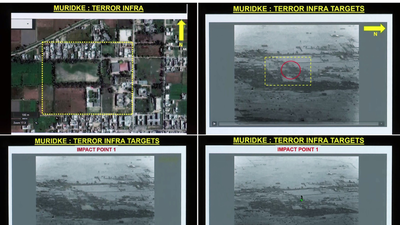
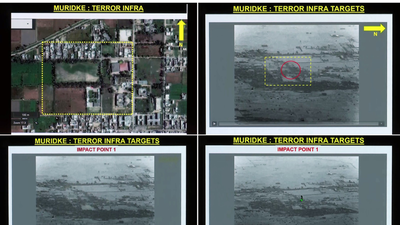
The report notes that despite major military operations, including airstrikes and hundreds of thousands of intelligence-based actions, Pakistan has been unable to eliminate these groups. Many organisations designated by the US and the United Nations continue to operate from its soil.Among them is Lashkar-e-Taiba, formed in the late 1980s and designated as a terrorist organisation in 2001. Led by Hafiz Saeed and based in Pakistan’s Punjab province and Pakistan-occupied Kashmir, it later operated under the name Jamaat-ud-Dawa to bypass sanctions. The group, which has thousands of fighters, was responsible for the 2008 Mumbai attacks and several other major incidents.Jaish-e-Mohammed, founded in 2000 by Masood Azhar and also designated in 2001, has around 500 fighters active across India, Afghanistan and Pakistan. Other groups such as Harakat-ul Jihad Islami, Harakat ul-Mujahidin and Hizbul Mujahideen are also said to operate from Pakistan.The report supports India’s long-held position that Pakistan continues to back such groups. It also mentions The Resistance Front, believed to be linked to Lashkar-e-Taiba, which carried out the Pahalgam attack that killed 26 people. The group has been declared a global terrorist organisation.In response to that attack, India launched Operation Sindoor in May 2025. The Indian Armed Forces carried out coordinated strikes on nine terrorist camps in Pakistan and Pakistan-occupied Kashmir, killing over 100 militants, trainers and associates. Officials said the strikes targeted groups like Jaish-e-Mohammed, Lashkar-e-Taiba and Hizbul Mujahideen while minimising civilian harm.On May 10, Pakistan retaliated by targeting Indian air force bases, army depots, airports and military areas using missiles and drones. However, India’s air defence and counter-drone systems successfully intercepted the attacks, preventing damage.
Poll
Should stricter global action be taken against countries linked to terror groups?
India then carried out strikes on Pakistani airbases, command centres and defence systems along the western front. Key bases including Chaklala, Sargodha, Rafiqui, Rahimyar Khan, Jacobabad, Sukkur and Bholari were hit.Following this escalation, Pakistan’s director general of military operations contacted his Indian counterpart on May 10 to seek a halt in fighting. Formal talks were held on May 12, and both sides agreed to stop military operations.The latest US report, however, reinforces concerns that Pakistan’s links to terrorist groups remain active.