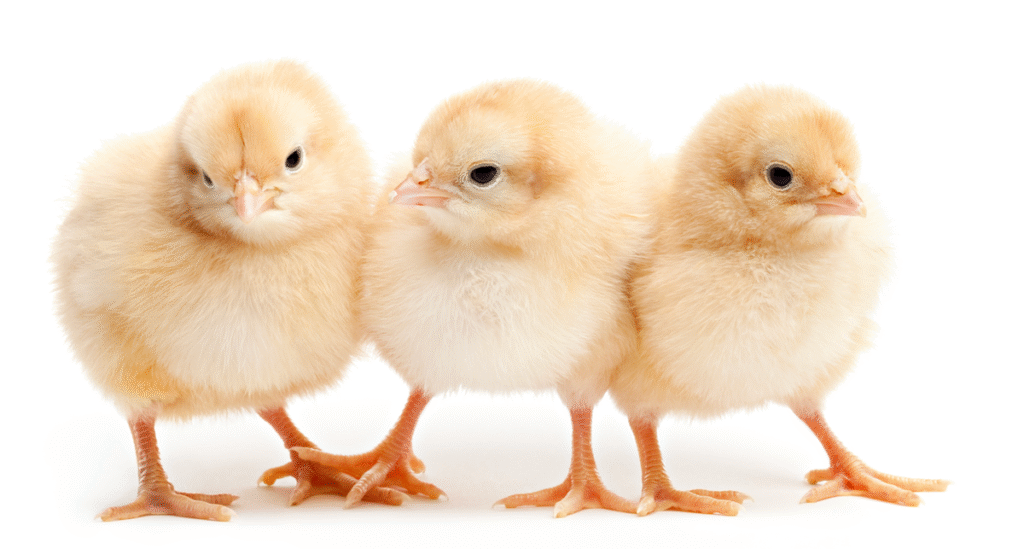
Gifting live chicks, ducklings and bunnies as Easter presents remains a popular tradition, but public health officials warn the practice continues to fuel Salmonella outbreaks and animal welfare concerns.
Salmonella outbreaks linked to backyard poultry, animal abandonment and potential ecological damage have prompted repeated calls for safer alternatives such as stuffed toys, chocolate eggs or other non-living gifts.
The Centers for Disease Control and Prevention most recently reported 559 cases of Salmonella infections tied to backyard poultry across 48 states in outbreaks investigated through September 2025. The cases resulted in 125 hospitalizations and two deaths.
Epidemiologic, traceback and laboratory data pointed to contact with backyard poultry with chickens and ducks identified as the primary source. Illnesses began as early as December 2024 and continued into September 2025. Officials noted that the true number of illnesses is likely higher, as many cases go unreported. The CC estimates there are 29 Salmonella patients for each confirmed patient.
Salmonella bacteria spread easily through direct or indirect exposure to live birds or their environments. People can become infected by touching poultry, coops, feed or other items and then touching their mouths or food without proper handwashing. Even birds that appear healthy and clean can carry the germs.
Young children, infants, older adults and people with weakened immune systems face the highest risk of severe illness. Symptoms typically include diarrhea, fever and abdominal cramps, appearing six hours to six days after exposure. Most healthy adults recover in four to seven days, but severe cases can lead to hospitalization or, rarely, death.
Health officials stress that food and surfaces can become contaminated if hygiene practices are not followed strictly. The CDC advises against kissing or snuggling backyard poultry, eating or drinking near them, and allowing children younger than 5 to handle chicks or ducklings.
Animal welfare and environmental concerns
Beyond food safety and other human health concerns, the tradition of giving chicks, ducklings and bunnies raises significant animal welfare issues. Humane societies and rescue groups report that many Easter-gifted animals are surrendered or abandoned once the novelty fades. Domestic rabbits, in particular, often struggle when released into the wild, where they can fall prey to predators, disrupt local ecosystems, compete with native species or spread diseases.
Chicks and ducklings require specialized care, including proper housing, nutrition and veterinary attention. Many succumb to neglect or improper handling by inexperienced owners, especially children.
Retailers and hatcheries continue to market live poultry and rabbits heavily around Easter, despite advisories from multiple states urging caution. Online sales add another layer of difficulty for regulation. Some stores have improved practices by providing hand sanitizers near displays and keeping animals out of direct reach. Others offer educational materials, but enforcement remains inconsistent.
Public health campaigns emphasize key precautions for those who already keep backyard flocks: thorough handwashing with soap and water after any contact (or using hand sanitizer when soap is unavailable), supervising children closely, keeping flocks and supplies outside the home, collecting eggs frequently and cooking eggs thoroughly to 160 degrees F.
Experts recommend that families maintain Easter traditions without live animals. Options include candy, educational books about animals or adopting pets responsibly from shelters after thorough research into long-term care needs.
“Any backyard poultry can carry Salmonella germs that can make you sick,” the CDC states on its outbreak page. “Always take steps to stay healthy around your flock.”
For more on safe practices, the CDC offers resources on hand hygiene, egg handling and flock management. Those experiencing severe symptoms, such as diarrhea lasting more than three days, bloody diarrhea, high fever or signs of dehydration, should seek medical care promptly and inform their doctor of any poultry contact.