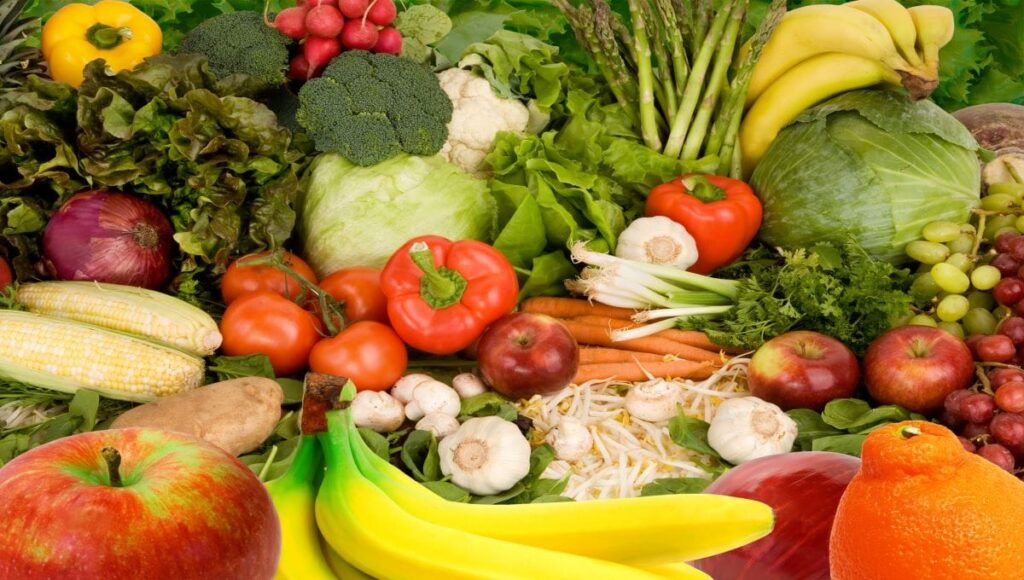
The Environmental Working Group has released it’s 2026 shoppers guide, listing the 12 fruits and vegetables with the most pesticide residues.
The group uses a list of test results from an annual report from the U.S. Department of Agriculture as the basis for its Dirty Dozen and Clean 15.
Although it acknowledges that all of the fruits and vegetables on its Dirty Dozen list are well below the allowable limits for pesticide residue, the group contends that any pesticide residue is of danger to human health.
In addition to the Dirty Dozen, the environmental group creates a Clean 15 list for its annual shoppers guide. Along with the list, the group suggests that consumers buy organic produce. However, organic fruits and vegetables are allowed to be produced using certain chemical pesticides, as well as manure, by the USDA’s organic program.
The Alliance for Food and Farming challenges the validity of the environmental group’s shoppers’ guide.
“The Environmental Working Group’s (EWG) ‘Dirty Dozen’ report once again villainizes safe, healthy, and affordable fruits and vegetables by misrepresenting USDA pesticide data,” according to the food and farming group.
“In its usual approach, EWG overstates the risk of consumer pesticide exposure by leaving out a key detail: more than 99 percent of the commodities sampled by the U.S. Department of Agriculture in its annual Pesticide Data Program (PDP) report — the source material for the EWG report — have residues well below the stringent safety standards set by the Environmental Protection Agency (EPA).
According to the Alliance for Food and Farming, USDA’s latest report demonstrates that the vast majority of the commodities sampled had residues well below the established EPA safety standards, and more than 42 percent had no detectable residues.
EWG’s Dirty Dozen
1.Spinach
2.Kale and collard and mustard greens
3. Strawberries
4. Grapes
5. Nectarines
6. Peaches
7. Cherries
8. Apples
9. Blackberries
10. Pears
11. Potatoes
12.Blueberries
EWG’s Clean Fifteen
- Pineapple
- Sweet corn
3. Avocados
4. Papayas
5. Onions
6. Sweet peas
7. Asparagus
8. Cabbage
9. Cauliflower
10. Watermelon
11. Mangoes
12. Bananas
13. Carrots
14. Mushrooms
15. Kiwi