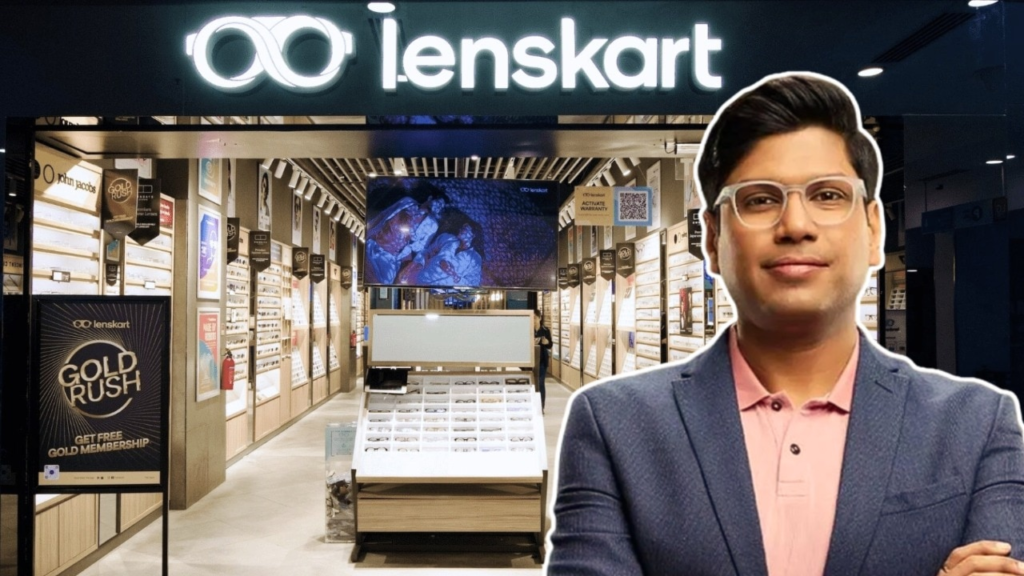
A document alleged to be that of Lenskart’s instructions on office dress code sparked a major controversy after people highlighted that it didn’t approve of bindi and tilak at the workplace but allowed hijab. As the row snowballed, Peyush Bansal, the founder and CEO of Lenskart, clarified that the policy document was “inaccurate” and didn’t reflect the company’s “present guidelines”.
Lenskart is a major player in the eyewear industry, and offers them at competitive rates as it has been manufacturing its own frames and lenses, and has eliminated middlemen to reduce costs. The startup, which achieved unicorn status in 2019, is considered a “soonicorn”, reportedly preparing for an IPO, with a valuation estimated at around $5.6 billion.
The policy document for the dress code for Lenskart workplace was shared on social media platforms and triggered a major backlash for the company.
For sindoor, a marker for married Hindu women, the Lenskart document says, “If wearing sindoor, it should be placed minimally and should not fall on the forehead. It says “bindi is not allowed”.
It allows hijab but also describes what the headscarves for Muslim women should be like.
“If wearing [a] hijab/turban, it should [be] black in colour. The hijab should be of medium chest coverage and must not cover the logo,” reads the dress code document shared online. “Wearing a burkha in the store is not allowed.”
“Bindi/clutcher is not allowed,” it says. Referring to the kalawa, “religious threads/wristbands must be taken out”.
“Hi Peyush Bansal, can you please clarify why hijab is okay but bindi/kalawa is not at Lenskart,” author and activist Shefali Vaidya, tagging the Lenskart founder, wrote on X.
However, Peyush Bansal’s reaction seems to suggest that Lenskart did have such a grooming guide earlier.
“I want to speak directly that this document does not reflect our present guidelines… Our grooming policy has evolved over the years and outdated versions do not represent who we are today. We apologise for the confusion and concern this situation has caused,” Bansal clarified on X.
Bansal said that Lenskart imposed “no restrictions on any form of religious expression, including bindi and tilak”. He added that the company continued to review its guidelines regularly.
“We have thousands of team members across Bharat who wear their faith and culture proudly every day at our stores. They are Lenskart,” said Bansal, who is also a prominent “shark” on business reality television series, Shark Tank India.
The controversy over Lenskart comes amid the company’s strong post-IPO trajectory. It’s shares recently hit Rs 547. Lenskart’s profits shot up nearly 70 times in the December quarter. Net profit jumped to Rs 1.31 billion from just Rs 18.5 million a year ago, while revenue rose 38.8% to Rs 23.08 billion, outpacing a 28% increase in expenses, reported news agency Reuters in February.
– Ends
Published By:
Sushim Mukul
Published On:
Apr 16, 2026 11:47 IST