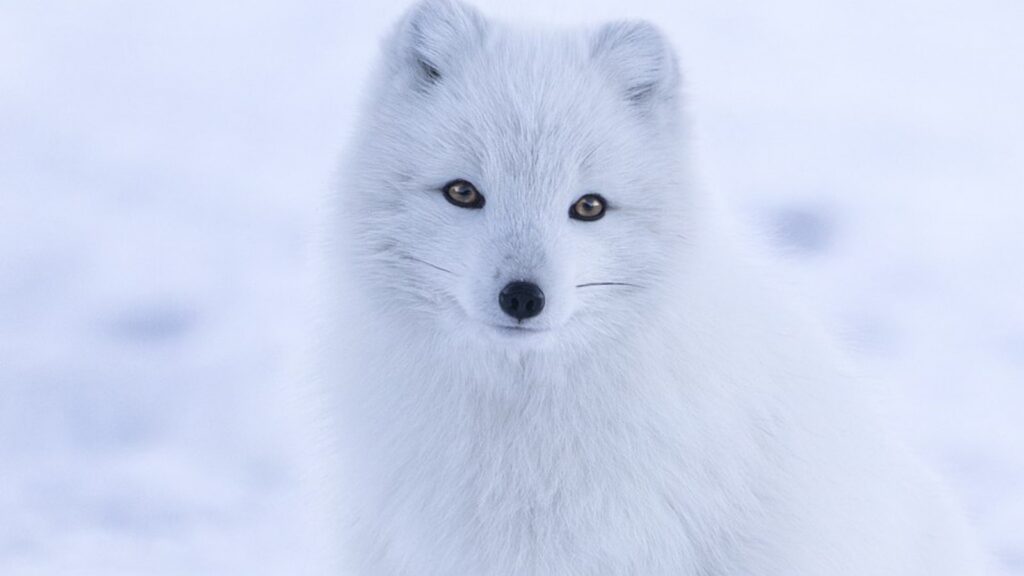
The Arctic is a harsh environment to live in. Animals there must adapt to freezing temperatures, long nights, and the constant presence of snow and ice. Camouflage is crucial for many Arctic animals, enabling them to hide from predators or catch prey. Let’s take a look at three animals that excel at blending into the snowy landscape.
Arctic Fox
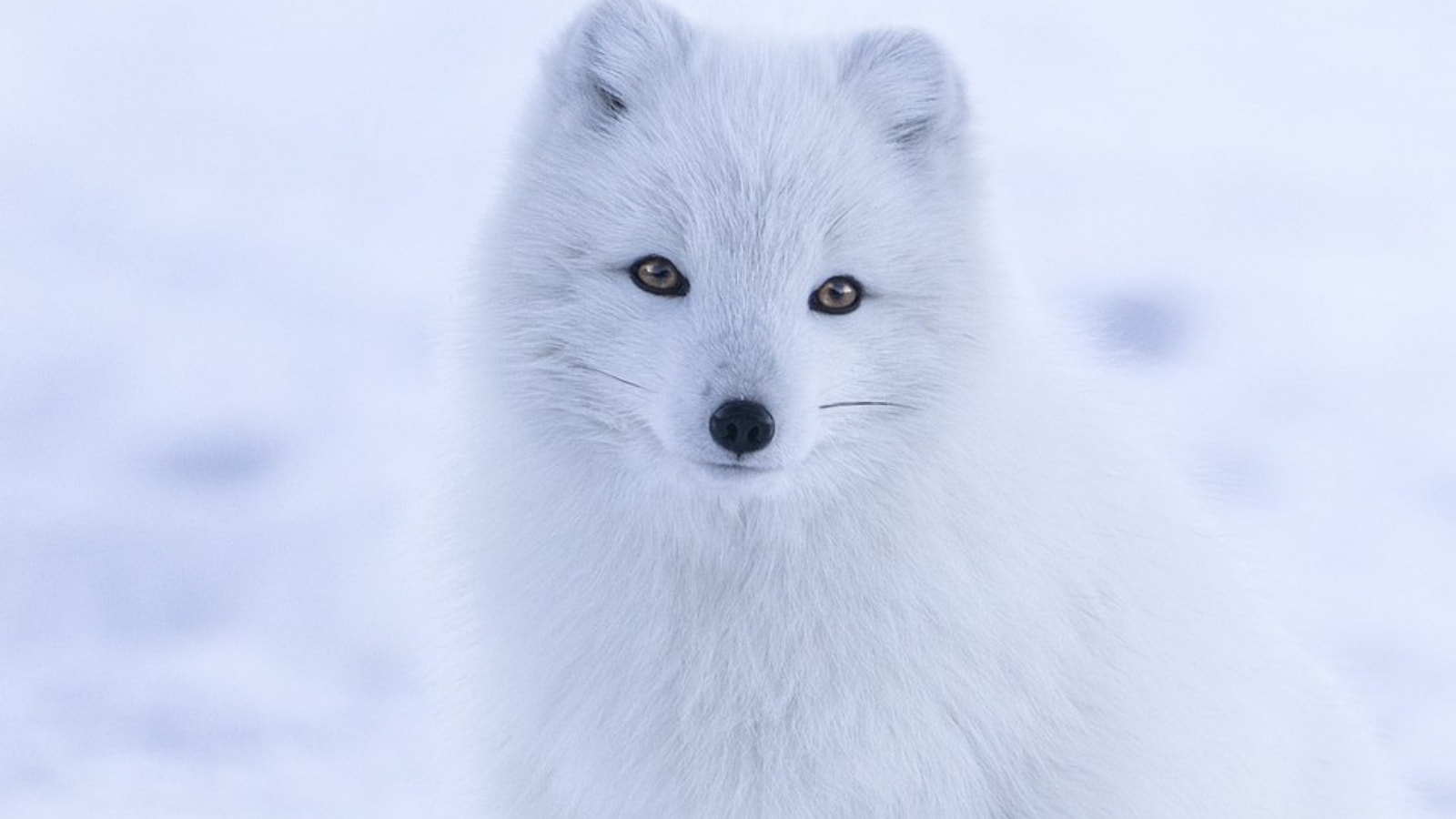 An Arctic Fox (Photo: Wikipedia)
The Arctic fox (Vulpes lagopus) is a well-known example of snow camouflage. In winter, its fur turns bright white, allowing it to blend in with the snowy tundra (Arctic region). This helps it stay hidden from both predators and prey.

The fox’s coat changes with the seasons. In summer, its fur turns brown or grey to match the bare ground. This way, the Arctic fox remains camouflaged throughout the year. Its thick fur also keeps it warm, even when it’s as cold as –50°C.
Snowy Owl
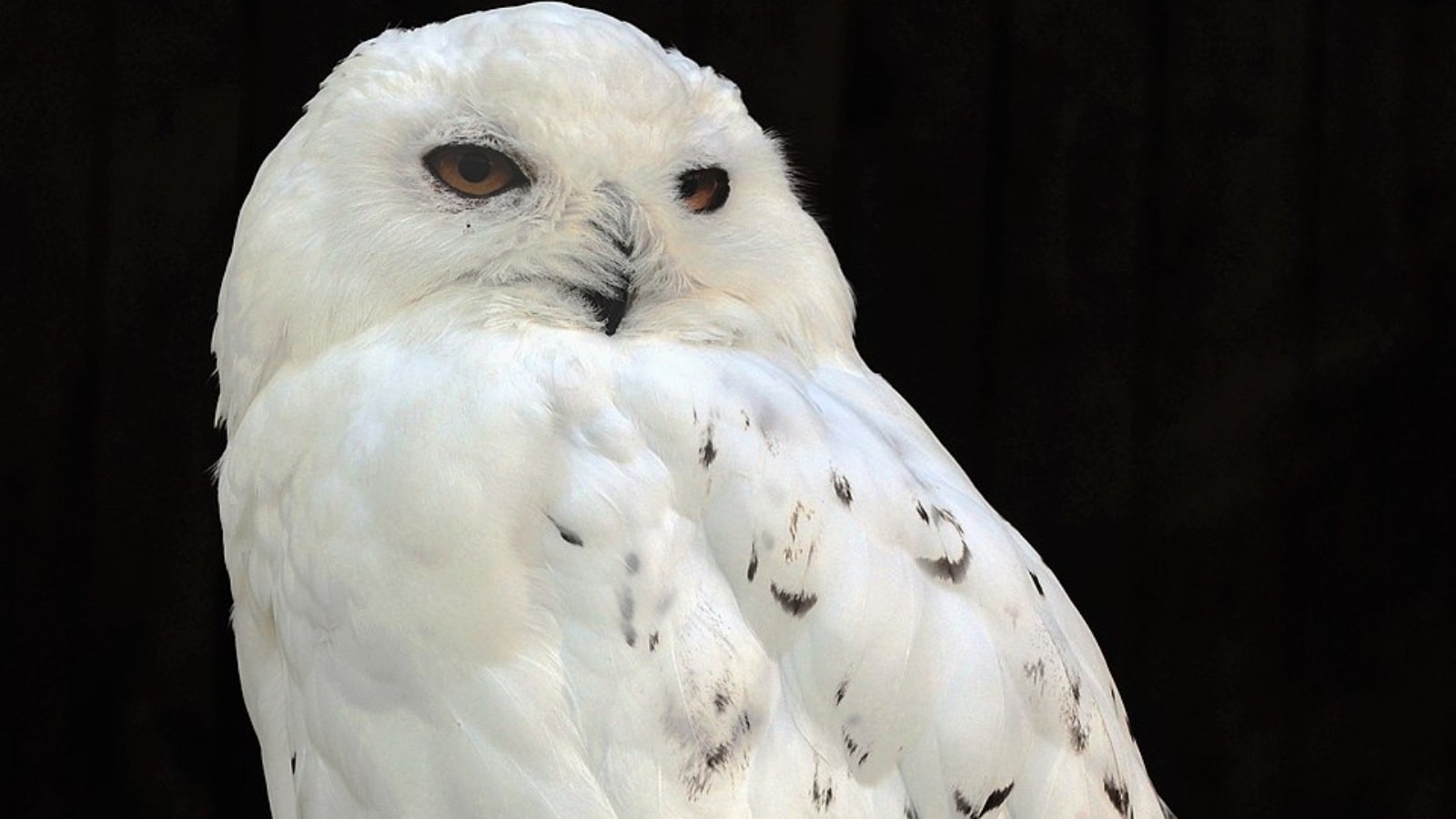 A male Snowy Owl (Photo: Wikipedia)
The snowy owl (Bubo scandiacus) is another Arctic animal well-suited to life in snowy conditions. Adult males are almost entirely white, so they blend into the snow and ice. Females and young owls have more dark spots, which help them hide on patchy snow and rocks.
This white colouring helps snowy owls camouflage themselves while hunting. By blending in, they can sneak up on prey, such as lemmings, without being detected. Their camouflage also helps keep them safe from larger predators while they nest on open ground.
Arctic Hare
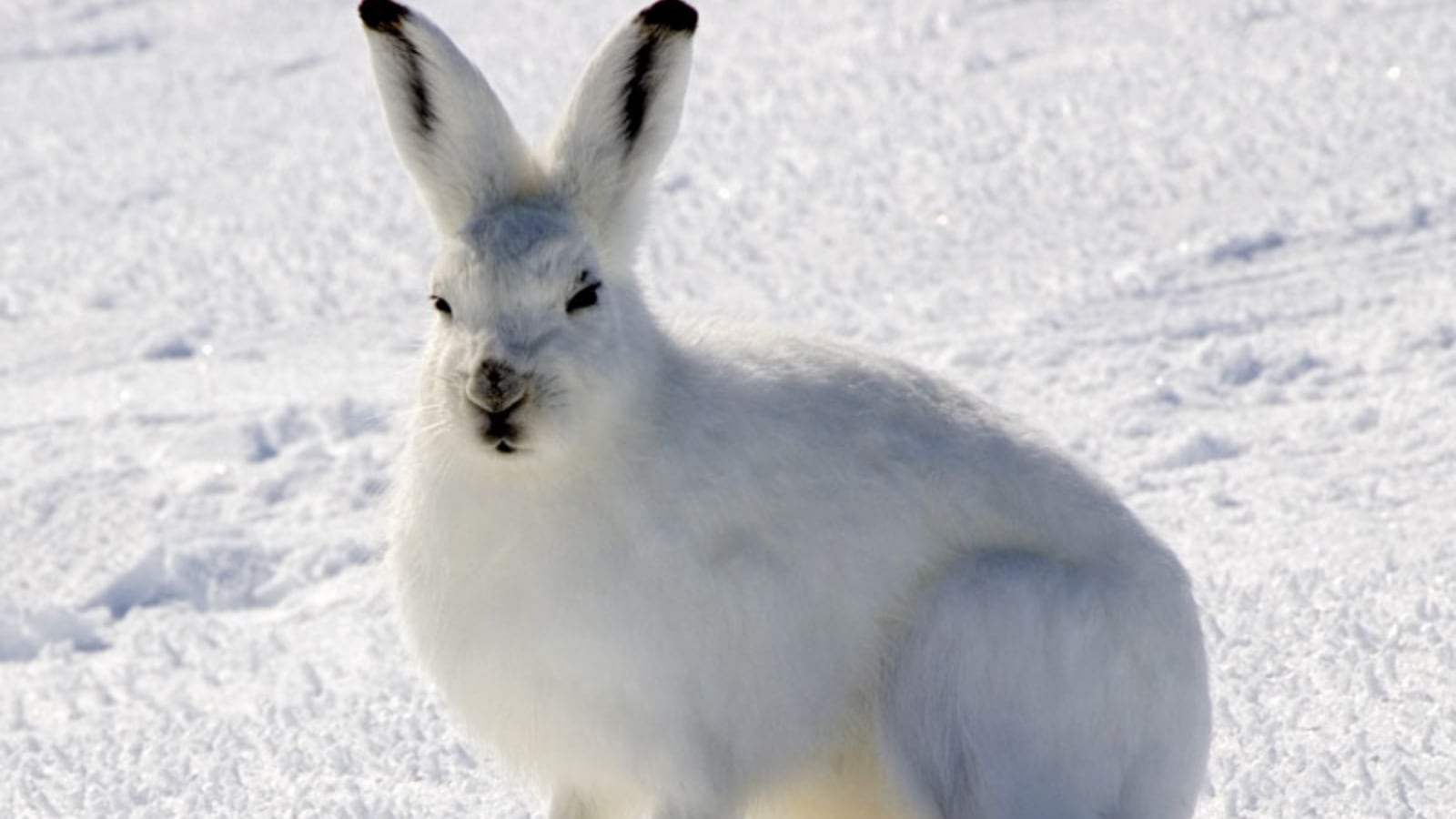 An Arctic Hare (Photo: Wikipedia)
The Arctic hare (Lepus arcticus) depends on its white winter fur to survive in the open tundra, where there are few places to hide. In winter, its fur turns white, blending in with the snow. In summer, it changes to brown or grey to match the ground and serves as a defence strategy for the group. When threatened, they can run at high speeds across the snow, but their camouflage often keeps them unnoticed until danger is very close.
But why is camouflage vital in the Arctic?
According to researchers, there are few trees or dense vegetation in the Arctic to hide behind. Snow camouflage allows animals to stay hidden in open areas, saving energy and avoiding conflicts. Changing colour with the seasons is vital because the landscape looks very different in summer and winter.
Story continues below this ad
However, climate change is posing new challenges. Shorter winters and reduced snow cover mean that white-coated animals may become more visible against darker ground, increasing their vulnerability to predators.