


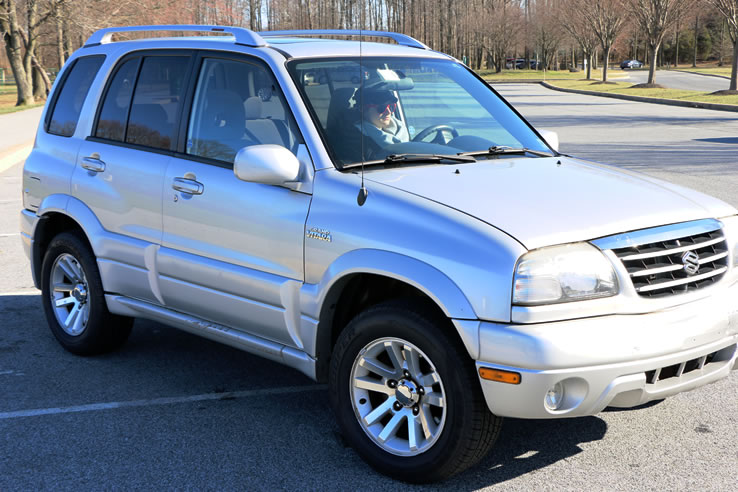
Don’t you just love a road trip? I know I do! Recently I’ve been doing a lot more driving than usual. Driving from New York to Washington D.C and back up to Philadelphia over the holidays has definitely put some wear and tear on my car. Especially my tires.
But who cares right? They’re just tires.
Actually, here’s something that surprised me: tires are the single most important safety feature on your car. They’re literally the only part of your vehicle touching the pavement. Your brakes can signal all they want, but if your tires can’t grip the road properly, that spells disaster.
Three years ago, I replaced all four tires with Cooper Tires. Now, after 35,000+ miles, multiple road trips through the Mid-Atlantic, and driving through every season, I’m ready to share my honest Cooper Tires review. This comprehensive Cooper Tires review covers real-world performance, longevity, value, and everything I wish I’d known before buying my first set.

When my old tires needed replacement, I did what anyone does: hours of research, reading reviews, and trying to understand tire specifications that might as well have been written in another language. While researching this Cooper Tires review, what stood out was their reputation for reliability without the premium price tag.
Cooper Tire & Rubber Company has been in business since 1914, making them one of the world’s largest tire manufacturers. That kind of longevity suggests they’re doing something right. Multiple recommendations from mechanics I trust, combined with consistently positive long-term reviews, sealed the deal.
Let me be upfront: I’m not a car enthusiast. I don’t race or modify my vehicle. I’m just someone who drives regularly, takes frequent long-distance trips, and needs tires that work reliably in all conditions. Here’s how the Coopers have performed.
Installation was straightforward. My local tire shop had them in stock, and the whole process took about an hour. The first thing I noticed was how smooth and quiet the ride felt compared to my worn-out previous tires. Within the first week, I took a 300-mile road trip, and the handling felt confident and comfortable.
After 35,000 miles, the handling has remained consistent. The tires feel stable at highway speeds, responsive during lane changes, and predictable during emergency maneuvers. In both dry and wet conditions, they’ve provided solid grip and good water evacuation that helps prevent hydroplaning during heavy rain.
Ride quality is where Cooper really shines for the price. The tires absorb road imperfections reasonably well, and road noise is minimal. On long road trips, tire noise can become fatiguing, but with the Coopers, I barely notice it. Whether I’m heading to Peddlers Village or exploring the Pennsylvania Dutch Country, the ride has been consistently comfortable.
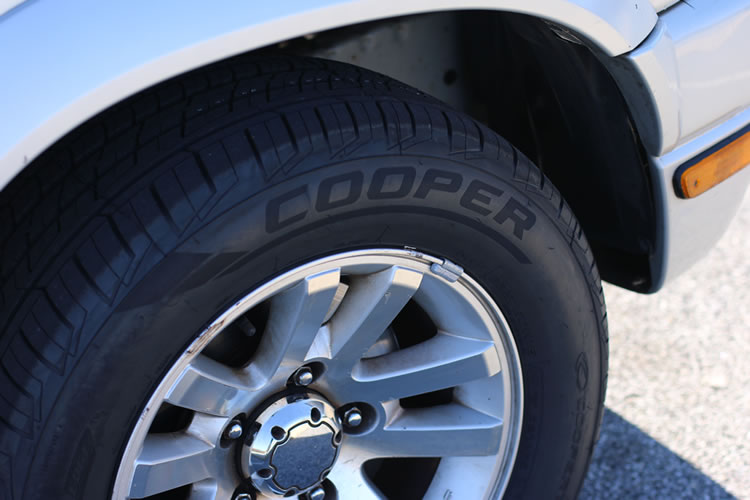
This is the most impressive part. After three years and approximately 35,000 miles, my Cooper tires still have plenty of life left. The tread wear has been even across all four tires. Using the penny test (which I’ll explain below), my tires still have more than adequate tread depth. Based on current wear patterns, I’m estimating I’ll get at least another year, possibly two, before replacement is necessary.
For the mid-range price point, that’s exceptional longevity. Much like planning a well-thought-out Ocean City beach vacation, investing in reliable tires pays dividends in the long run.
Cooper Tires cost significantly less than premium brands like Michelin or Bridgestone, yet the performance gap is narrower than the price gap suggests. When you factor in the longevity I’m experiencing, the cost per mile becomes even more attractive. These aren’t the cheapest tires available, but they’re priced in the mid-range while delivering performance that rivals more expensive options.
Owning these tires taught me that proper maintenance matters just as much as which tires you buy. If you live in a wetter, colder climate where snow and ice may cover the roads certain months of the year, your tire’s health and maintenance becomes really important. Here’s what every driver should know:
This was my biggest revelation. All-season tires, including my Coopers, are designed for year-round use in moderate climates. However, if you live in an area with severe winter weather (think Vermont or upstate New York), dedicated winter tires are essential from November through March. Winter tires use special rubber compounds that stay flexible in freezing temperatures and have deeper tread patterns specifically for snow and ice.
Here’s something that surprised me: the tire pressure number stamped on your tire’s sidewall is NOT the pressure you should use. That number is the maximum pressure the tire can safely handle, not the optimal pressure for your vehicle.
Instead, check your owner’s manual for your correct tire inflation pressure. You’ll also find it on a placard attached to your vehicle door edge, glove box door, or fuel door. The National Highway Traffic Safety Administration emphasizes that maintaining correct pressure is crucial because underinflated tires wear faster and reduce fuel efficiency, costing you money at the pump.
Tire pressure drops about 1 PSI for every 10°F decrease in temperature. During seasonal transitions, especially going into winter, you need to check and adjust pressure more frequently. I learned this when the first cold snap hit and my tire pressure warning light came on. Now I proactively check pressure when seasons change.
Want to know if your tires need replacement? Grab a penny and insert it into your tire tread with Lincoln’s head facing down. If you can see the top of Lincoln’s head, your tread is below 2/32 of an inch and it’s time for new tires. This simple test takes seconds and should be done every few months, checking different spots on each tire to ensure even wear.
If you’re only replacing two tires instead of all four, the new ones should always go on the rear axle, regardless of whether you have front-wheel or rear-wheel drive. Why? Because in wet conditions, if your rear tires lose traction, your vehicle can spin out. If your front tires lose traction, you simply understeer, which is much easier to control and recover from.
I know budget constraints are real, but used tires are one of those “savings” that can cost you dearly. You have no idea about their history: Were they in an accident? Improperly stored? Damaged internally? Tires can look fine externally but have internal damage that leads to catastrophic failure. Even budget-friendly new tires are better than used premium tires.
Regular tire rotation (every 5,000-7,000 miles) ensures even wear and maximizes tire life. Many tire shops offer free rotation for the life of the tires. I try to rotate mine with every other oil change, which keeps me reasonably on schedule and has contributed to the even wear I’m seeing after 35,000 miles.
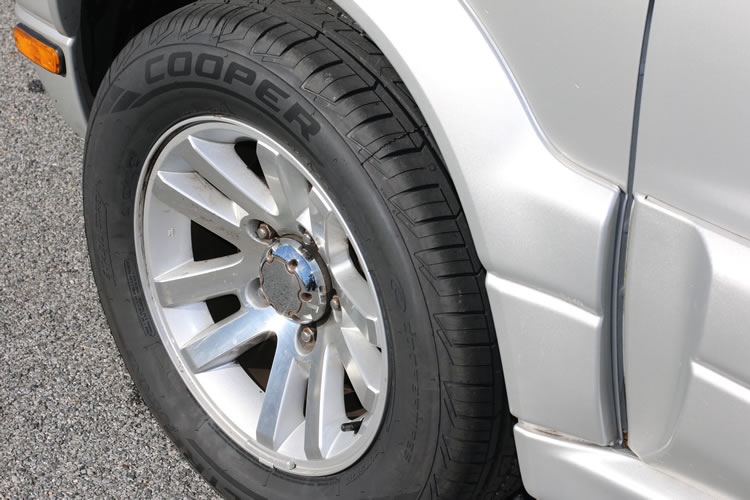
After three years of real-world testing, here’s my complete Cooper Tires review breakdown:
What I Love:
See also
Minor Drawbacks:
Absolutely. Without hesitation. After three years, 35,000+ miles, and driving through all four seasons, my Cooper tires have performed exactly as I needed them to. They’ve been reliable, safe, comfortable, and cost-effective. More importantly, they’ve lasted significantly longer than my previous tires while maintaining consistent performance.
The tire industry has plenty of options, from budget brands that cut corners to premium brands with premium pricing. Cooper occupies a sweet spot: quality manufacturing, reliable performance, and fair pricing. For most drivers, that’s exactly what you need.
If you’re in the market for new tires and want something dependable without overpaying for brand prestige, I can confidently recommend giving Cooper Tires serious consideration. They’ve earned my trust over three years of real-world use, and that’s worth more than any marketing claim.
Just remember: no matter which tires you choose, proper maintenance is crucial. Check your pressure monthly, rotate regularly, and monitor tread depth. Even the best tires won’t perform well if you don’t take care of them. Similar to planning a scenic drive through Hunterdon County, proper tire maintenance keeps you safe and enhances the journey.
If this Cooper Tires review has convinced you to consider them for your vehicle, here’s how to get started:
Find Your Perfect Tires: Visit the Cooper Tires product catalog to browse by vehicle type or tire size. Their website makes it easy to find exactly what fits your car, truck, or SUV.
Check Current Promotions: Cooper frequently offers rebates and special offers on tire purchases. I saved $70 on my set through a mail-in rebate, which made the already competitive price even better.
Locate a Local Dealer: Use the Cooper Tire dealer locator to find authorized installers near you. Professional installation ensures your tires perform as intended and keeps your warranty valid.
Register Your Tires: After installation, register your Cooper Tires to activate warranty coverage and stay informed about any important updates.
Whether you’re planning a St. Michaels Maryland getaway or exploring Kent Narrows waterfront dining, investing in quality tires is one of the best decisions you can make for your vehicle’s safety and performance.
Bottom line: After three years and 35,000+ miles, I can confidently say Cooper Tires delivers on their promise of quality, reliability, and value. This Cooper Tires review reflects real-world experience, not just first impressions, and I’d absolutely buy them again.
Safe travels, and may your tires always have good tread!
Better Living uses affiliate links. If you make a purchase through them, we may receive a small commission (for which we are deeply grateful) at no cost to you.