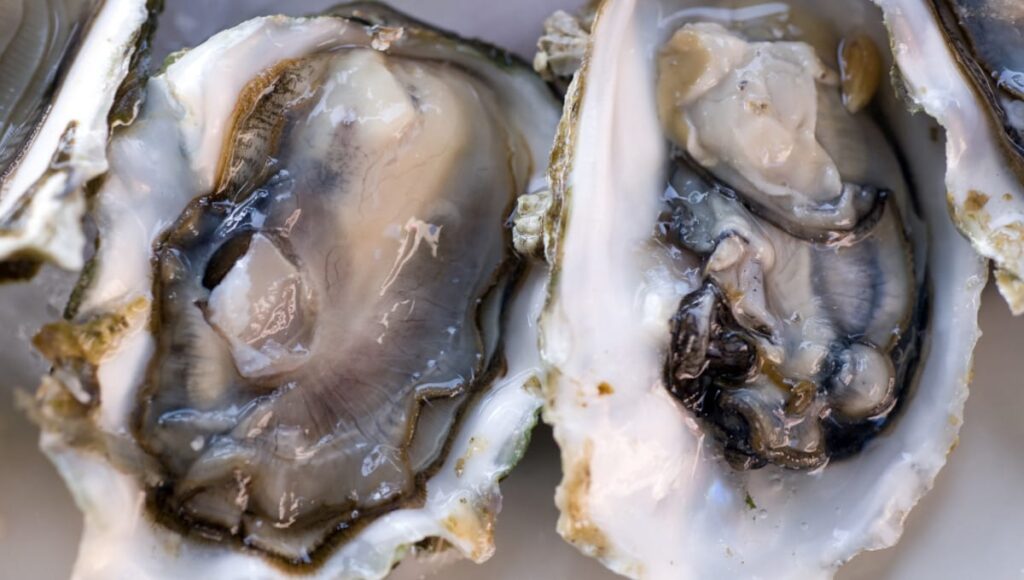
The U.S. Food and Drug Administration has expanded a warning about oysters from Canada because of contamination with norovirus.
Previously the FDA warned of oysters harvested only on Dec. 30, 2025, and Jan. 20, 2026. Now the agency is also advising against eating or selling all oysters harvested between Dec. 22, 2025, and Feb. 4, 2026, from British Columbia, Canada, harvest area BC 17-20 (Nanoose Bay) CLF #1401656. The implicated oysters are associated with an outbreak of norovirus infections and are from Stellar Bay Shellfish Ltd.
On Feb. 5, the California Department of Public Health advised the FDA of a recall of certain oysters because of norovirus-like illness reports. The recall is for oysters from Stellar Bay Shellfish Ltd. with the same harvest dates from the same harvest area.
The FDA is awaiting further information on distribution of the oysters and will continue to monitor the investigation and provide assistance to state authorities as needed. As new information becomes available, the FDA will update the safety alert.
Restaurants and retailers should dispose of any products by throwing them in the garbage or contacting their distributor to arrange for destruction.
Restaurants and retailers should also be aware that shellfish may be a source of pathogens and should control the potential for cross-contamination of food processing equipment and the food processing environment.
About norovirus infections
Food and beverages contaminated with norovirus may not look or smell bad, but it can cause severe illnesses. Anyone who has consumed raw oysters and developed symptoms should seek medical attention.
Symptoms of norovirus infection may include vomiting and/or diarrhea, nausea, muscle aches, fever, and headache, according to the Centers for Disease Control and Prevention. Symptoms typically start 12 to 48 hours after exposure and can last for one to three days. Most people recover without treatment, however some may need medical attention for dehydration.
People with norovirus infections can spread the infection easily to others. The virus can live on surfaces for long periods of time.
To prevent others from getting sick always wash hands carefully with soap and warm water after using the bathroom or changing diapers.