More than 130 people have been infected by the hepatitis A virus in Italy with authorities linking the illnesses to contaminated shellfish.
Officials in the Campania Region said 133 cases had been reported since the beginning of the year.
The response to try and contain the increase includes more testing, epidemiological surveillance, controls in the food supply chain, as well as offering free vaccinations to those most at risk and contacts of infected individuals. Vulnerable groups include health and social care staff, food supply chain workers, and at risk patients.
Action is based on evidence from epidemiological and laboratory investigations, sampling of bivalve mollusks, environmental monitoring, and other studies.
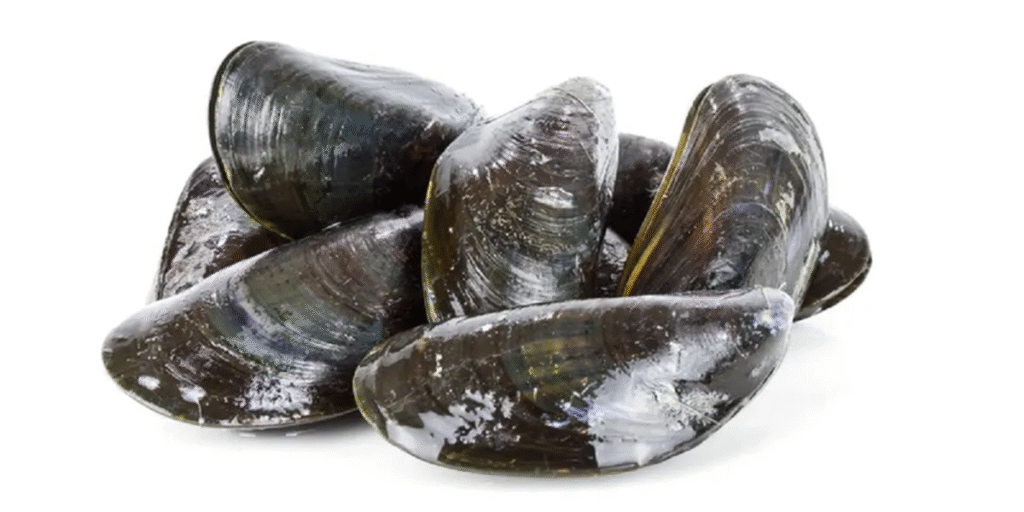
Bivalve mollusks, such as mussels, clams and oysters, can be affected when they filtered through contaminated water; so raw or undercooked consumption should be avoided.
Health officials said it was essential to only purchase mollusks from authorized retailers, checking the labeling, provenance, and proper storage methods, and to avoid buying products sold outside official channels.
In February, authorities in the Campania Region ordered increased controls across the entire bivalve mollusk supply chain based on evidence from epidemiological investigations and analysis of dietary habits.
A monitoring plan includes checks and sampling of bivalve mollusks in primary production areas, at wholesale distribution channels, and at retail outlets.
Raw seafood sales halted
An emergency network has also been created, involving the Centro di Riferimento Regionale per la Sicurezza Sanitaria del Pescato (CRiSSaP), experts from local health authorities (ASL), Istituto Zooprofilattico Sperimentale del Mezzogiorno (IZSM), and the University of Naples Federico II.
A series of measures have been taken in Napoli (Naples) to address the increase in hepatitis A cases. Epidemiological data shows three cases in January, 19 in February, and 43 in the first 19 days of March.
A ban on the serving and consumption of raw seafood in all public establishments has been put in place. Sale of such products are still permitted but officials have advised people not to consume them raw at home. Measures will remain in effect until health officials reassess the situation.
Violations will be punished with fines ranging from €2,000 ($2,300) to €20,000 ($23,000). Repeat offences will result in suspension of activity for 1 to 30 days and subsequent withdrawal of operating permits.
From January to June 2025, the integrated epidemiological surveillance system of acute viral hepatitis (SEIEVA), coordinated by the Italian National Institute of Health (ISS), recorded 247 cases of hepatitis A. The risk factor most frequently reported by patients was eating seafood. A total of 52 cases were linked to berry consumption.
Hepatitis A attacks the liver and can be spread when someone ingests the virus through close contact with an infected person or by having contaminated food or drinks. Symptoms last a few days to several months and begin 15 to 50 days after becoming infected. They range from mild to severe and include an abrupt onset of fever, fatigue, poor appetite, nausea, stomach pain, dark-colored urine and jaundice (a yellowing of the skin and whites of the eyes).