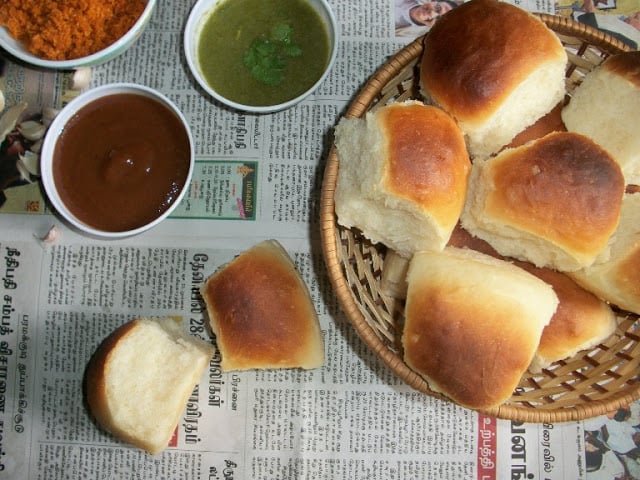
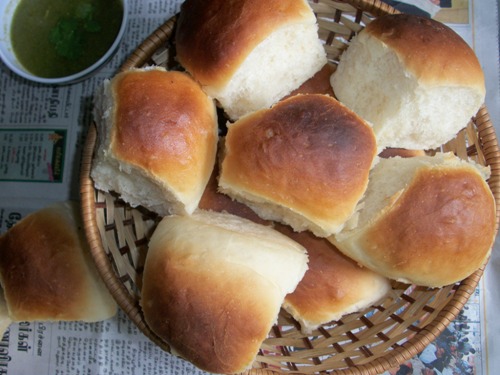
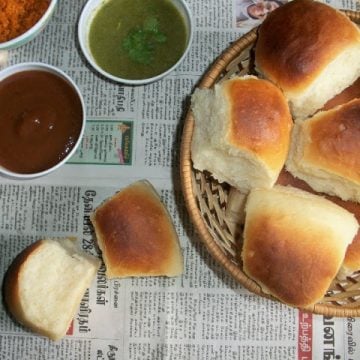
Ladi Pav recipe, is a eggless, soft, fluffy and light bread that is popularly used in many Indian street foods, such as vada pav and pav bhaji. Pav bun, also known as ladi pav, is a pull-apart dinner roll that is usually baked in a pan.
Ladi Pav Recipe
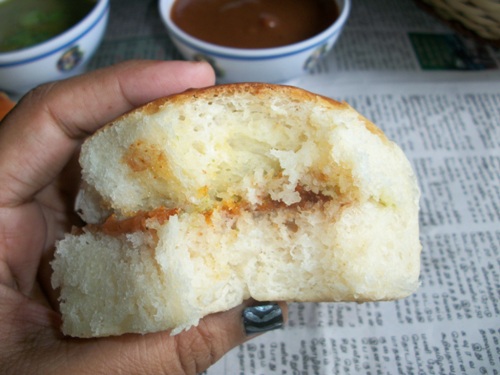
This is the first time I am making it, the result was quite amazing. These buns turned out so soft and spongy. I totally loved it. The smell of freshly baked buns fills your house as you baked them. There is nothing better than baking your own bread or buns.
Jump to:
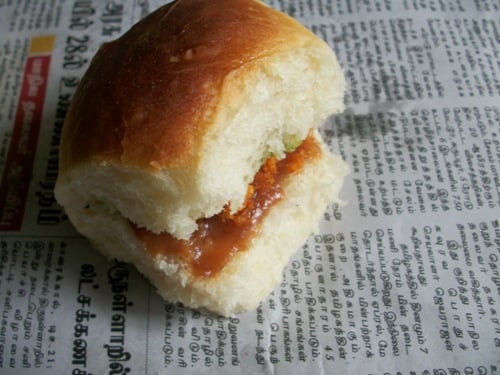
I actually made vada pav, potato pav, onion pav using this and served it with green chutney and tamarind chutney. They are totally delicious. You could probably stuff anything in this from chicken filling to vegetable filling and enjoy this soft buns.
I actually had one by just spreading some green chutney and tamarind chutney and sprinkled some garlic chutney over it and took my first bite, wow it was so good.. Would recommend you to try it once.
Whether you’re an experienced baker or a beginner, the tips and techniques shared here will help you make soft, airy pav buns easily at home.
What is Ladi Pav
Pav Buns are one of the main thing which you need as a side for vada pav or pav bhajji. These fluffy and soft buns are so tasty with anything. You can have it on its own too. They are readily available in supermarkets.
Pav has a simple yet interesting history in India. The name “pav” comes from the Portuguese word ” Pao” meaning bread. When the Portuguese arrived in India, they introduced their baking methods and over time this soft, fluffy bun became a popular part of Indian cuisine. Pav is used for making classic dishes like vada pav, pav bhaji and more.
Pav is traditionally made using maida ( all purpose flour ), which gives its signature soft, light and fluffy texture. Since it is a refined flour, people tend to avoid it and look for healthier alternatives. So, I’m sharing this eggless wheat pav bun recipe.
While whole wheat flour adds nutritional value, it can sometimes result in denser buns when used alone. To overcome this, a small portion of maida is added in this recipe to improve gluten development and help the pav turn softer and fluffy.
Similar Recipes
About Pav Recipe
Bread making is truly an art. Understanding the ingredients, how they interact, and how yeast behaves is a key to achieve perfect results. While it may seem tricky at first, it requires some patience and a few trails to get it right. The pav bun dough should be well hydrated, as it is the key to achieve the light, airy and fluffy buns.
What makes pav special is its soft, slightly sweet texture which pairs perfectly with dishes like bhaji, aloo tikki, vada, paneer bhurji or even with butter.
Whether served with rich pav bhaji or as part of a spicy vada pav, pav buns provide the perfect balance of softness, flavor bite in every mouthful.
Ingredients
- All purpose flour : This is the main flour used to provide structure to the bread. When kneaded, it develops gluten and helps to create a soft, stretchy dough.
- Yeast : I have used dry yeast to make the dough rise. You can also replace it with instant yeast if preferred. When dry yeast ferments with sugar and milk, it creates air pockets in the dough. This forms a soft, airy and fluffy pav with pleasant aroma.
- Butter : Butter adds rich flavour and softness to the pav. Use good quality unsalted butter to make the buns soft and tender.
- Sugar : Sugar used to feed the yeast to help in raising the dough better and also added for mild sweetness.
- Salt : Salt is an essential seasoning in bread making. Without this, the pav bread will taste flat.
- Warm milk : Warm milk helps activate the yeast and also add richness to the dough. It makes the pav creamier and softer in texture than using warm water.
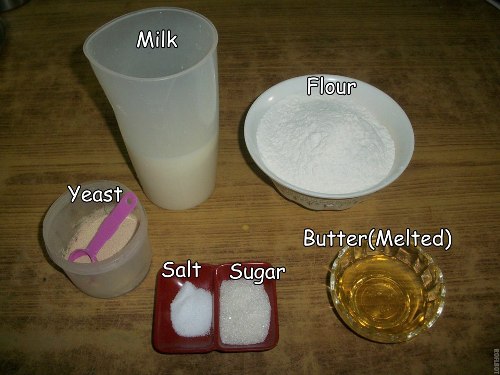
Step by Step Pictures
Activating Yeast
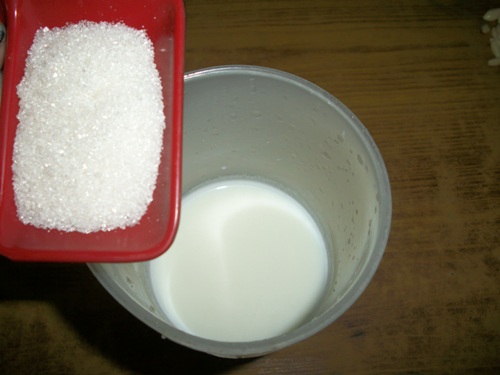
1)Lets start by activating yeast. Add sugar into warm milk.
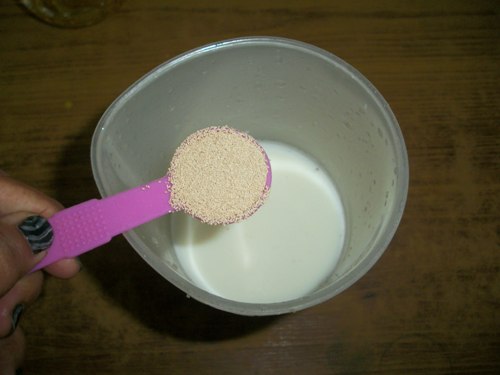
2)Add yeast to warm milk and mix well.
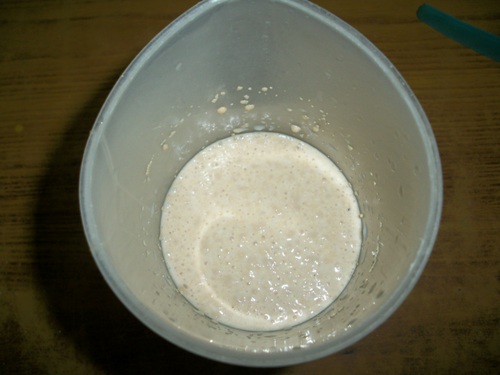
3)Let it stand for 5-10 mins until it becomes foamy.
Kneading Dough
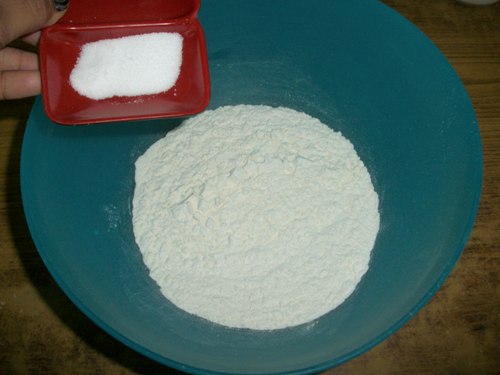
4)Take flour in a mixing bowl and add salt in that. Mix this together so that the salt gets uniformly distributed.
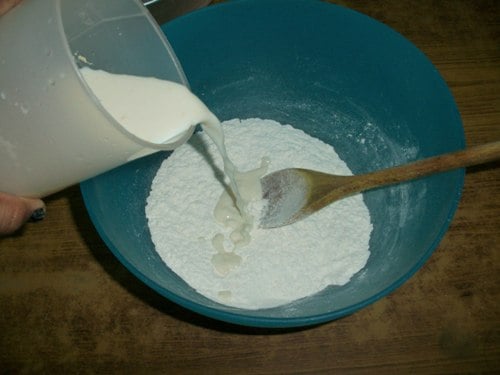
5)Now pour the milk in this and mix well so that it forms a very soft dough.
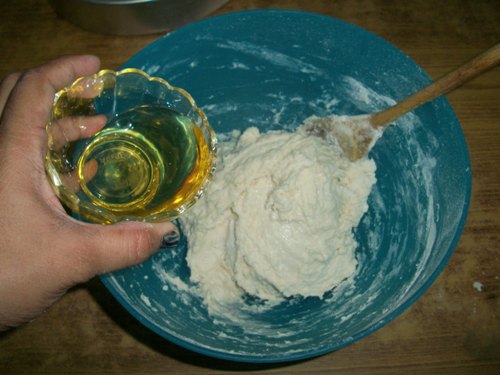
6)Pour melted butter over this and mix well.
7)Knead it until soft.
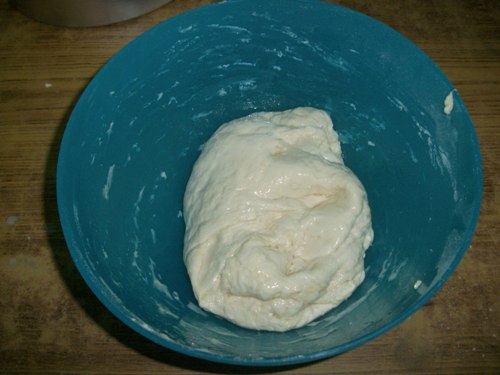
8)Cover it with a damp cloth and let it rest for 1-½ hour till it doubles in size.
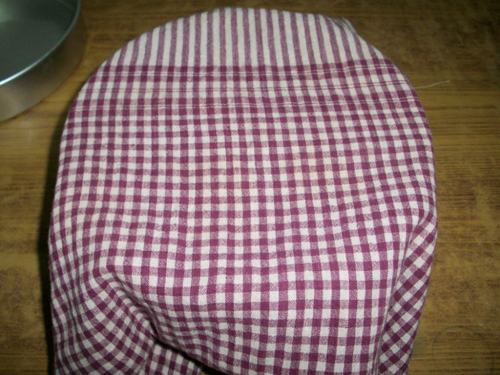
9)Now the dough until it doubled.
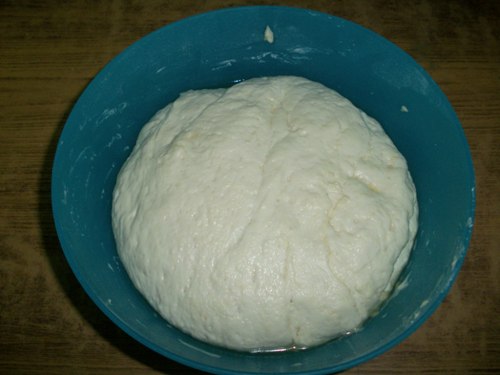
10)Punch out the air and knead it once.
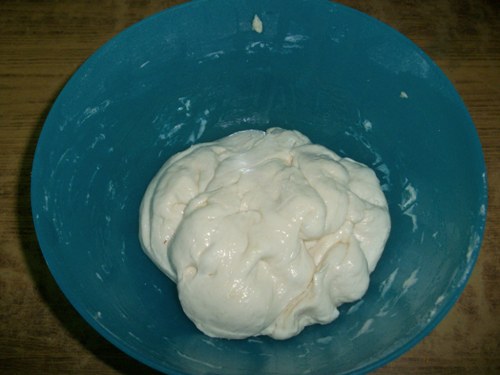
11)Now punch the air out and divide into equal portions.
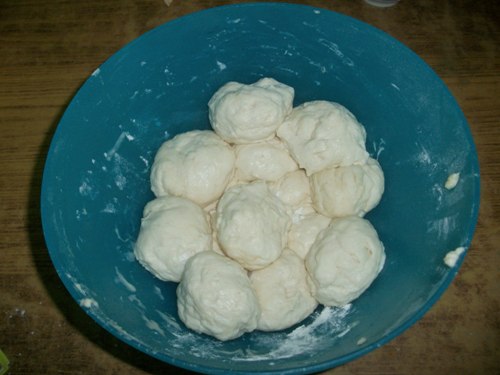
12)Roll it till smooth.
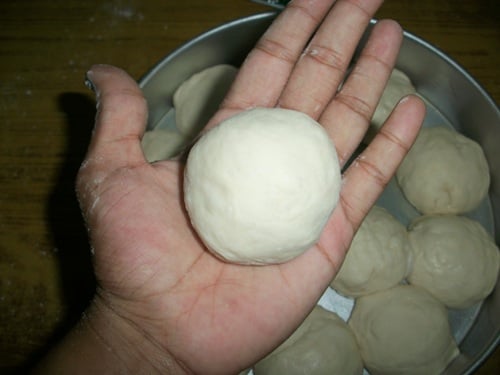
13)Take a tray or any baking pan and arrange this balls equally spaced.
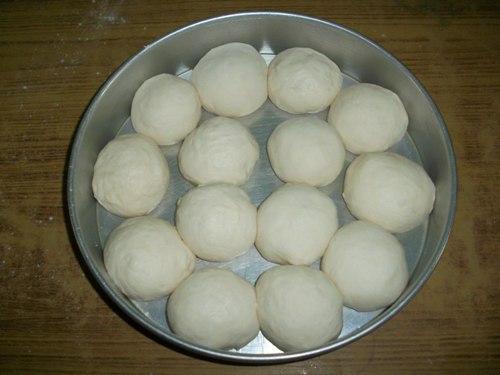
14)Now cover with a damp cloth and let it rest for 30 mins till it doubles in size.
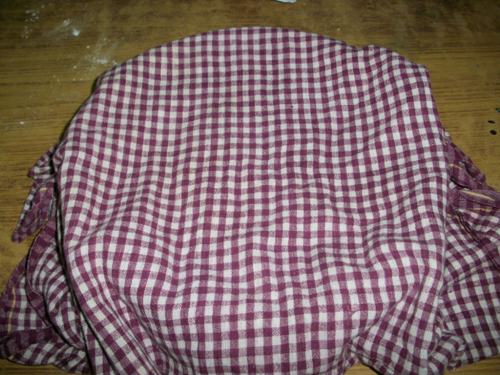
15)Now the dough is doubled in size.
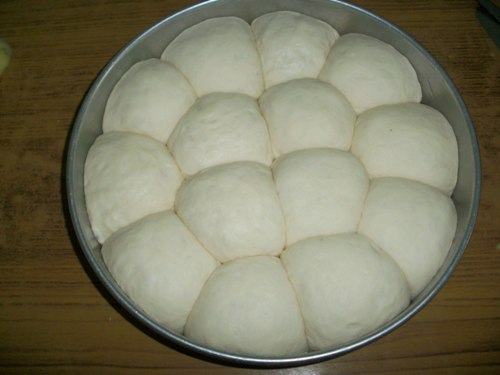
16)Now put this in a preheated oven( 200 Degree C / 400 Degree F) for 15-20 mins until he top turns golden and cooked.
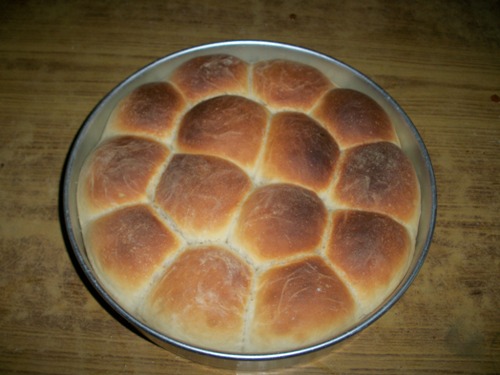
17)Remove it from the oven and brush it with butter.
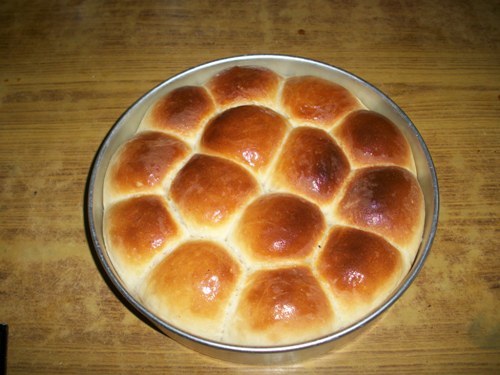
18)Remove the pav buns and allow it to cool.
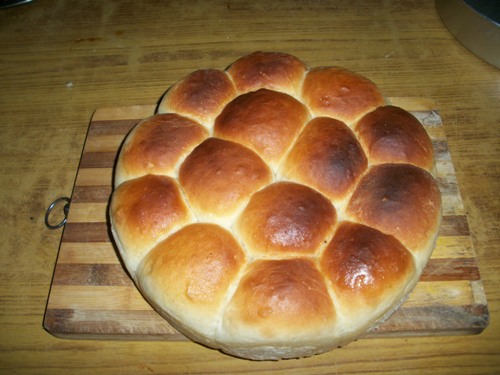
19) serve it with pav bhaji or use it for vada pav or anything.
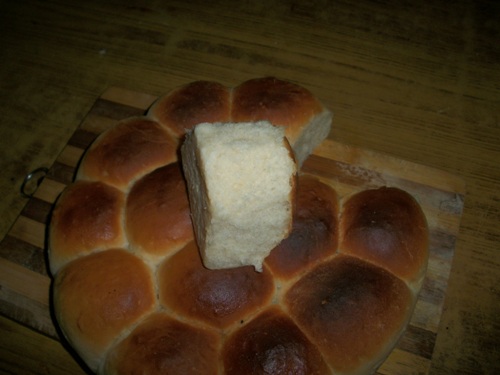
20)Serve.
Expert Tips
Use good quality : Yeast is the heart of soft pav. Always use fresh, good quality yeast for best results. If using active dry yeast, proof well before adding it to the dough. If using instant yeast, it can be added directly to the flour.
Proper kneading : Knead the dough until it becomes soft, smooth and a little stretchy. Proper kneading helps develop gluten, which is essential for creating light and fluffy buns.
Divide uniformly : Divide the dough into equal sized portions before shaping. This ensures that all the pav bakes evenly.
Use butter generously : Brushing butter on the pav before and after baking helps keep them soft and moist. It gives the buns a beautiful shine and enhances the overall flavour.
Storage of Pav : Store the pav buns in an airtight container to maintain the softness and freshness. They stay good at room temperature for 2 to 3 days. For longer storage, refrigerate them. Warm the buns or toast with butter before serving for best taste.
Serving : These soft and delicious pav buns taste best when served warm with bhaji for the classic combination. You can also toast the buns with butter and serve with vada and green chutney spread.
FAQ
Q. Why is my pav not soft ?
This usually happens when the dough isn’t kneaded enough or when it lacks moisture. Insufficient proofing time also prevents the bun becoming light and fluffy.
Q. How do I know if the dough is proofed enough ?
The dough should double in size and feel light and puffy. When pressed lightly, it should bounce back slowly. This means the dough is properly proofed and ready to bake.
Q. Why didn’t pav rise well ?
This may be due to poor rising or the yeast wasn’t activated properly. Always use fresh yeast and ensure proper proofing. Let the dough rise in a warm place until it doubles in size for the best texture.
📖 Get Recipe
Ladi Pav Recipe | Homemade Pav Buns Recipe | Pav Recipe
Ladi Pav recipe, is a eggless, soft, fluffy and light bread that is popularly used in many Indian street foods, such as vada pav and pav bhaji. Pav bun, also known as ladi pav, is a pull-apart dinner roll that is usually baked in a pan.
Video

Nutrition
Nutrition Facts
Ladi Pav Recipe | Homemade Pav Buns Recipe | Pav Recipe
Amount per Serving
% Daily Value*
* Percent Daily Values are based on a 2000 calorie diet.