Dive Brief:
- A federal court on Wednesday temporarily blocked a Texas law requiring food manufacturers to put warning labels on their packaging when using artificial dyes or other additives.
- A district judge from the Western District of Texas ruled the food and beverage industry’s lawsuit alleging the law violated the First Amendment was “substantially likely to succeed.” The law will not be able to be enforced as the case proceeds in court.
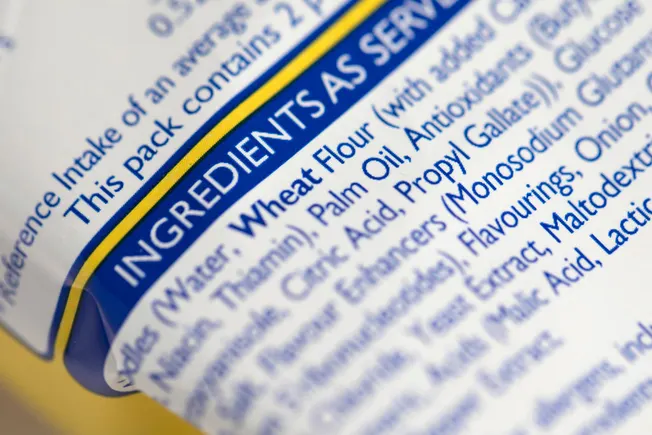
- Set to take effect in 2027, the Texas law requires disclosures for 44 ingredients, potentially forcing thousands of snack brands to carry warning labels that their products are “not recommended for human consumption” in other countries.
Dive Insight:
The ruling notches another win for the food and beverage industry as it takes its fight against the “Make America Healthy Again” movement to court. A federal judge last month also paused a West Virginia law banning products containing artificial dyes, calling it unconstitutionally vague.
States have rushed to advance the MAHA agenda, which increasingly has become a bipartisan issue as more consumers become skeptical of processed foods and their ingredients. But crafting regulation around ingredients that have been approved by federal safety regulators has proven tricky.
The West Virginia law banning artificial colors was blocked in part because the state failed to explain what makes the substances harmful, especially since they have FDA approval. The Texas law tried to get around that hurdle by avoiding regulation of the ingredient itself and instead focusing on labeling.
However, that approach has run into First Amendment concerns. In their Texas lawsuit, food and beverage associations said warning labels violate free speech because companies would have to add disclosures that are factually misleading and based on the state’s opinion.
While the court did not make a ruling on whether the Texas labels are misleading, it agreed with the food and beverage industry that there are less burdensome ways for the state to spread the message around ultraprocessed foods, including through a public health campaign. Laws regulating communication face strict scrutiny, and the judge said Texas’ law was not “narrowly tailored to serve compelling state interests.”
Last week, a court struck down another Texas law regulating labels for plant-based meat on similar free speech grounds.