

3 min readNew DelhiFeb 24, 2026 01:00 AM IST
Dandruff is one of the most common scalp concerns, yet it remains surrounded by myths and quick-fix solutions. One persistent belief is that shaving the head can eliminate flakes altogether. But does it have any scientific proof? According to Dr Shweta Nakhawa, Consultant Dermatologist at KIMS Hospitals, Thane, that belief doesn’t hold up medically.
“Shaving the head does not cure dandruff,” she says. “The flakes come from the scalp, not the hair. When hair is removed, flakes may appear reduced simply because they’re easier to wash away or less noticeable. That improvement is only superficial. The biological cause remains active under the skin.”

Why hair removal doesn’t solve the problem
Dandruff develops when the scalp reacts to oil and yeast, leading to irritation and rapid shedding of skin cells. Factors such as weather changes, stress, genetics, and skin sensitivity can all exacerbate the condition, Dr Nakhawa elaborates.
“Shaving doesn’t reduce oil glands, control yeast growth, or calm inflammation. That’s why dandruff often returns even after the head is shaved,” she adds.
Can shaving make dandruff worse?
“Shaving exposes the scalp directly to sunlight, pollution, and harsh products,” Dr Nakhawa explains. “Minor razor cuts or irritation can weaken the skin barrier, causing dryness, itching, or redness.”
When the scalp barrier is compromised, maintaining a healthy balance of natural microbes becomes more difficult—something that can worsen flaking and discomfort, she adds.
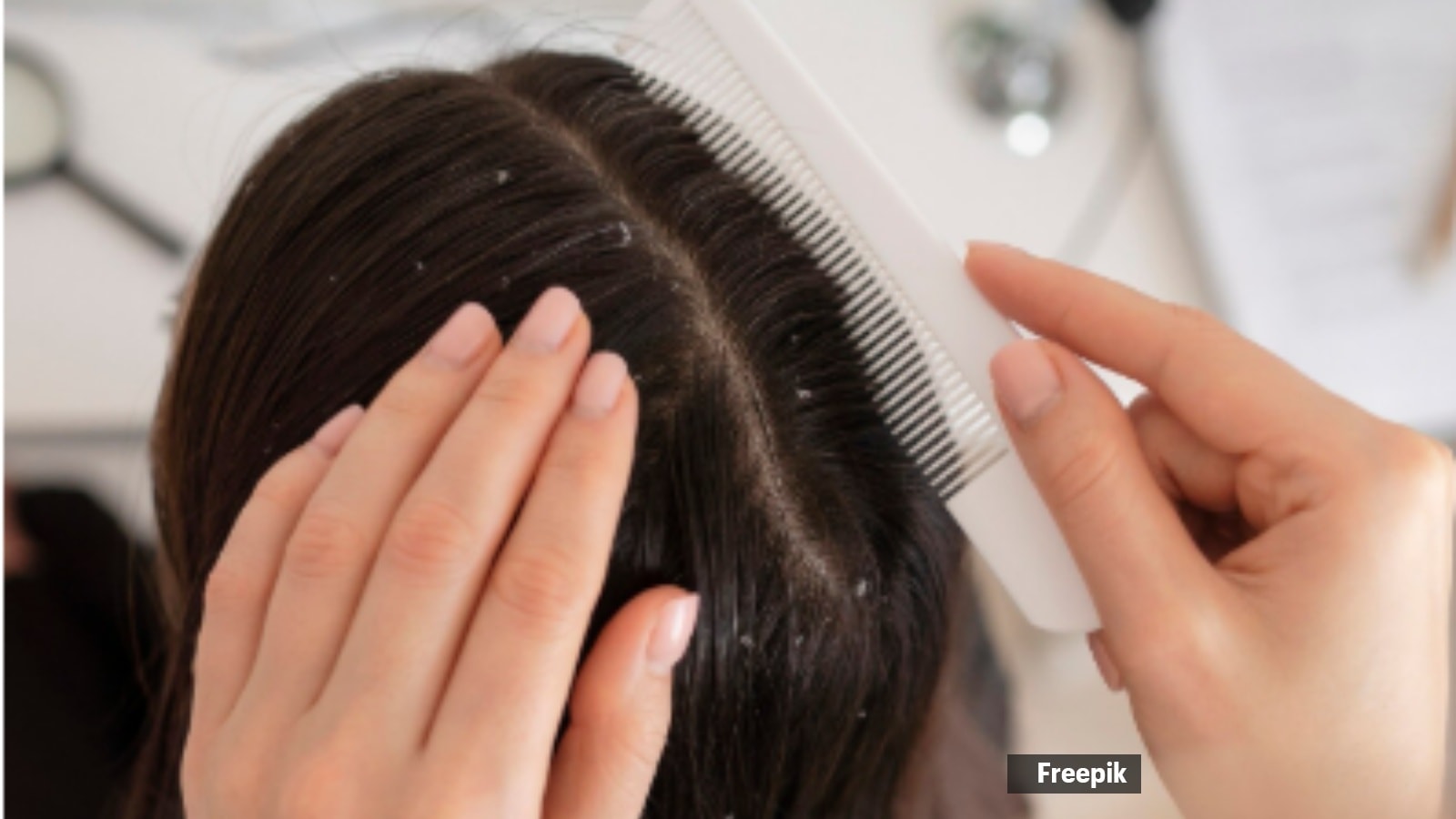 Dandruff develops when the scalp reacts to oil and yeast (Photo: Freepik)
What actually works in the long run
Instead of drastic measures, Dr Nakhawa stresses consistency. She adds, “Regular use of medicated anti-dandruff shampoos is the most effective long-term approach. These shampoos help control yeast and reduce inflammation and should be used even on shaved or very short hair.”
Story continues below this ad
Allowing the shampoo to remain on the scalp for a brief period before rinsing improves efficacy. She also advises avoiding over-washing with strong soaps, protecting the scalp from sun exposure, and managing stress.
“Dandruff is a skin condition,” Dr Nakhawa emphasises. “Treating the scalp—not removing the hair—is what keeps it under control.”
DISCLAIMER: This article is based on information from the public domain and/or the experts we spoke to. Always consult your health practitioner before starting any routine.










h1owyj