4 min readApr 17, 2026 10:15 PM IST
The long-awaited 63-km-long Lucknow-Kanpur Expressway is nearing completion and is likely to be inaugurated next month, promising a significant reduction in travel time between the two cities — from 1.5-3 hours to just 30 minutes, officials said.
The six-lane project will benefit commuters who often face traffic snarls during peak hours on the existing routes, officials added. The distance between Lucknow and Kanpur is around 90 km.

The proposed toll for the expressway, however, has raised eyebrows.
For cars, jeeps, and vans (light motor vehicles), a trip from Lucknow to Kanpur is expected to cost Rs 275. While a return journey within 24 hours will cost Rs 415. Frequent users opting for a monthly pass (50 single trips) would need to pay Rs 9,220. (see box)
Sources said at present, it costs Rs 95 for a one-way trip between the two cities through NH-27. But once the new expressway becomes operational, the National Highways Authority of India (NHAI) is considering hiking the existing toll on NH-27 as well, they said.
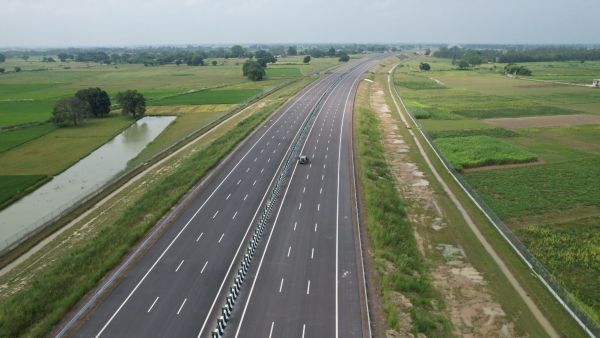 Package 2 is a 45.244-km greenfield stretch in Unnao district (credit: Special arrangement)
Why is the toll so high?
Speaking to The Indian Express, officials involved in the project explained that the expressway includes several structures like bridges, flyovers and elevated roads to reduce travel time, which have led to an increase in cost.
Story continues below this ad
“The toll rates are decided by the cost of the project, which, in this case, became higher because of the structures — especially the elevated section. One flyover is about 10 km long, then there are major bridges etc,” said Nakul Prakash Verma, Project Director, NHAI.
What are the features?
Built at a cost of Rs 3,700 crore, the expressway spans 62.764 km and is divided into two packages:
- A 17.52-km stretch in Lucknow district, largely elevated
- A 45.244-km greenfield stretch in Unnao district
Work on the first stretch started on February 2, 2023, with a deadline of July 2025. Work on the Unnao stretch started in November 2022, with a May 2025 deadline. At present, the Unnao section is complete while about 2% of the work on the Lucknow stretch remains.
Officials said the timeline was stretched owing to a delay in shifting a “400KV EHT electrical line of PGCIL at the Scooter India junction”, which has now been resolved.
How many bridges and underpasses does the expressway have?
The infrastructure includes:
Story continues below this ad
- One 10-km-long flyover in Lucknow
- Four major bridges
- One railway overbridge
- Multiple underpasses, including 13 for light motor vehicles, 11 for vehicles, and 11 for pedestrians
- The project also includes five toll plazas along the route.
Officials said the expressway is also equipped with an Advanced Traffic Management System, which can detect and automatically issue challans to vehicles crossing 120km/hour.
The system includes: 63 pan-tilt cameras; 21 interchange cameras; 16 video incident detection systems; and two control rooms located at 27 km and 35 km points
“With these modern technologies, we hope to reduce the reaction time to any mishap or accident to 10-15 minutes,” explained an official.
The proposed toll:
Light commercial vehicles: For light goods vehicles or mini buses, a single journey would cost Rs 445 while a return journey would cost Rs 670. A monthly pass would cost them Rs 14,890. -For buses and trucks, it will cost up to Rs 935 for a single journey and Rs 1,405 for a return journey.
Story continues below this ad
-For vehicles having seven or more axles, it will cost Rs 1,785 for a single journey and Rs 2,680 for a return journey within 24 hours.